Dealing with an unexpected vehicle breakdown can disrupt your entire day. Whether you are commuting to work, running errands, or traveling across state lines, finding yourself stranded on the side of the road is always stressful. Knowing what to expect when you call for a professional tow truck service helps make the entire situation smoother and far less overwhelming. When your vehicle suffers a flat tire, engine trouble, or an unexpected mechanical failure, a quick response from trained professionals ensures your safety and protects your automobile from unnecessary damage.
According to IBISWorld, there are 40,065 American businesses in the auto towing industry. With so many options available across the country, understanding how roadside assistance operates can empower you as a driver. Navigating road emergencies requires clear communication, proper preparation, and a basic understanding of how dispatching works. Being informed allows you to stay calm and safe while help is on the way, giving you full peace of mind during a challenging roadside emergency.
1. Knowing Your Location Accelerates Dispatch Times
When you place a call for assistance, the dispatching team immediately needs to pinpoint your exact coordinates. Giving precise location details ensures that the dispatched tow truck service arrives as quickly as possible. Take note of major highway exit numbers, nearby landmarks, street signs, or cross streets before making the phone call. If you happen to be stranded on a rural road or an unfamiliar highway, mobile mapping applications on your smartphone can help you locate your current latitude and longitude. Relaying clear, accurate location details prevents delays and helps drivers reach you without confusion. Emergency response teams rely on your description to plan their route and bypass local traffic delays. Staying near visible landmarks also makes it easier for approaching drivers to spot your stationary vehicle promptly.
Safety should always remain your highest priority while waiting for assistance to arrive. If your vehicle breaks down on a busy highway or congested city street, pull as far onto the shoulder as safely possible. Turn on your hazard lights immediately to alert oncoming traffic. If it is safe to remain inside your vehicle with your seatbelt fastened, stay inside until help arrives. If you must exit the vehicle due to smoke or high temperatures, move well away from active traffic lanes to stay secure.
2. Describing Vehicle Conditions Helps Drivers Prepare
Accurately describing the condition of your automobile helps dispatchers send the correct equipment on the first attempt. Different road situations require specialized tools, flatbed haulers, or wheel-lift equipment. Informing the team whether your vehicle can roll freely, whether the steering wheel is locked, or if all tires are inflated allows the dispatch team to prepare properly before heading your way. Sharing details regarding lowered suspensions, four-wheel drive systems, or heavy cargo ensures the right machinery handles your vehicle safely. Clear descriptions prevent operators from arriving with mismatched gear that requires requesting a secondary recovery vehicle. Taking a quick inventory of your car's physical status before dialing saves valuable time for everyone involved.
Providing accurate vehicle specifications also protects your transmission and drivetrain during transportation. For instance, many modern vehicles with all-wheel drive systems cannot be safely towed with two wheels resting on the ground without causing costly drivetrain damage. When you provide specific details about your make and model, your tow truck service operator selects the safest transportation method, such as a flatbed carrier, to safeguard your investment.
3. Expecting Round-the-Clock Availability Offers Peace
Automobile troubles rarely happen at convenient times. Vehicle breakdowns often occur late at night, during holiday weekends, or amid terrible weather conditions when standard repair shops are closed. Knowing that 24/7 towing services are accessible around the clock provides immense comfort to commuters and road travelers alike. Emergency roadside assistance teams operate continuously so you never have to worry about being stranded overnight without help available. Severe weather events or midnight tire blowouts require immediate support to keep stranded motorists safe from dangerous highway hazards. Having continuous coverage ensures you are never forced to wait until normal business hours to secure emergency transport.
Having round-the-clock support means help is always just a phone call away, regardless of the hour. Professional roadside teams maintain dispatched fleets during nighttime hours and holiday weekends to ensure quick response times. Knowing help can arrive quickly regardless of the time allows you to travel with confidence, knowing reliable aid is always accessible whenever unexpected car trouble strikes.
4. Verifying Credentials Ensures Quality Roadside Care
Before allowing any operator to hook up your automobile, verifying that the company is fully licensed and insured is an essential step. Proper licensing confirms that the business adheres to state transportation standards and industry regulations. Insurance coverage protects your personal vehicle against potential damage that could occur during loading, hauling, or unloading. Working with legitimate professionals guarantees proper care throughout the entire transport process. Reputable companies readily display their operating credentials and registration details on their transport vehicles for customer peace of mind. Taking a moment to check credentials protects you against unqualified roadside operators who lack adequate liability coverage.
Additionally, selecting a local and family-owned business often delivers a higher standard of personalized care. Independent, local operators take immense pride in supporting their surrounding communities and treating every vehicle as if it were their own. Their knowledge of local roadways and traffic patterns allows them to navigate around congestion, delivering fast, safe, and friendly service every time you call.
5. Understanding Transportation Options Protects Your Car
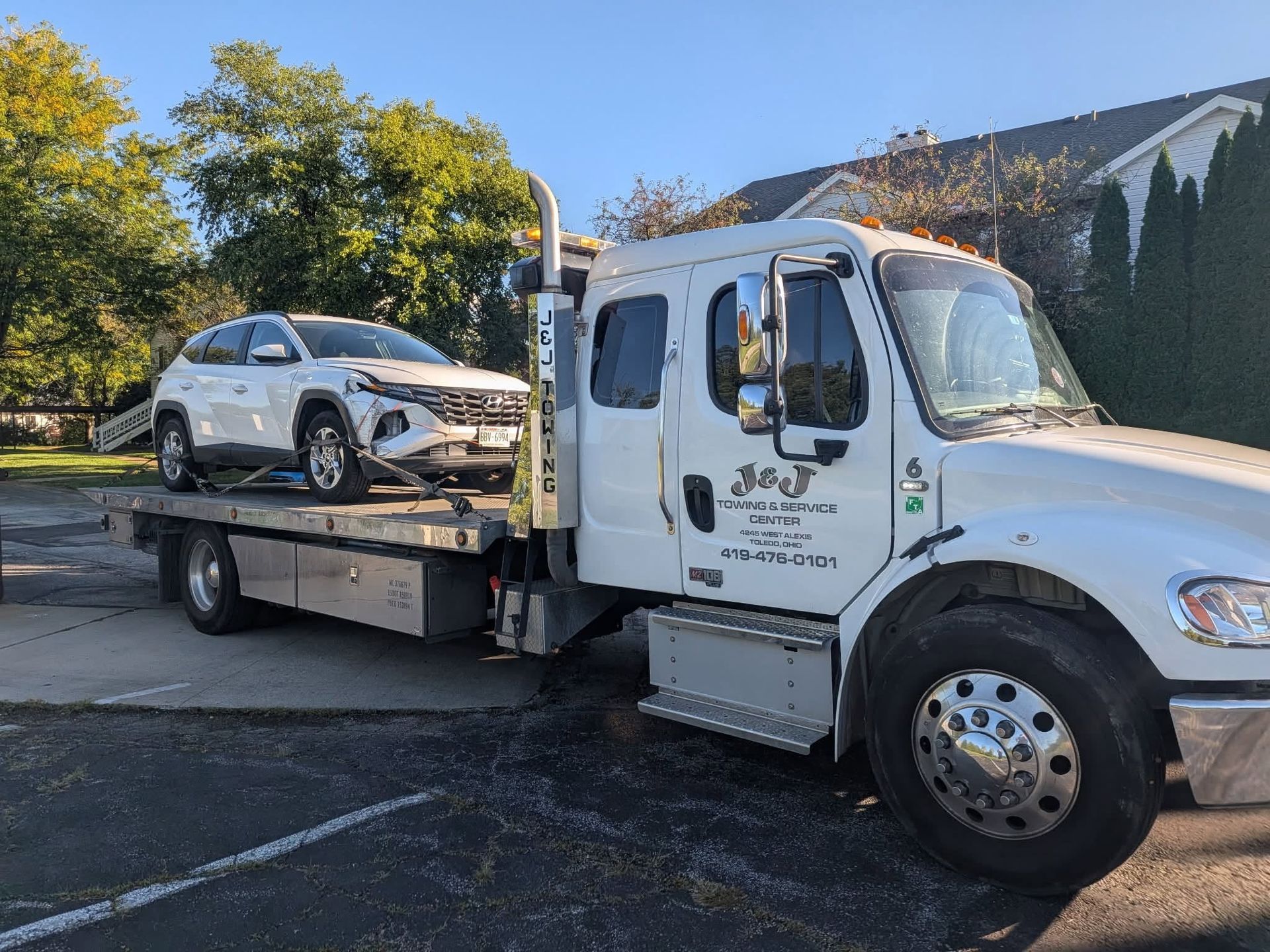
Not every roadside recovery situation calls for the same transportation technique. Flatbed hauling involves driving or winching the automobile completely onto a flat platform on the back of the transport vehicle. This option is ideal for luxury cars, vehicles with severe accident damage, or all-wheel drive models. Wheel-lift transport, on the other hand, lifts two wheels off the pavement while the remaining two roll along behind, making it a suitable choice for short-distance trips and tight parking garages. Each technique serves a specific structural purpose to keep your vehicle completely stable throughout the duration of the trip. Learning how these transport styles differ allows you to understand the recovery process as professionals secure your automobile.
Your operator will determine the best transport method based on your vehicle specifications and current mechanical condition. Communicating clearly with your dispatched tow truck service representative ensures that the right equipment arrives at your location ready to work. Choosing the proper method prevents unnecessary wear on your tires, alignment, and transmission components during transit.
6. Preparing Repairs Streamlines Your Vehicle Recovery
Once your automobile is securely loaded, deciding where to send it is the next crucial step. Having a designated repair destination in mind speeds up the recovery process significantly. Whether you require immediate tire replacement, engine diagnostic work, or routine maintenance, sending your vehicle directly to an experienced service center eliminates extra hauling steps and saves valuable time. Establishing your repair destination ahead of time prevents secondary storage fees at temporary vehicle staging yards. Communicating your destination directly to the operator ensures a direct, seamless journey from the roadside straight to the service bay.
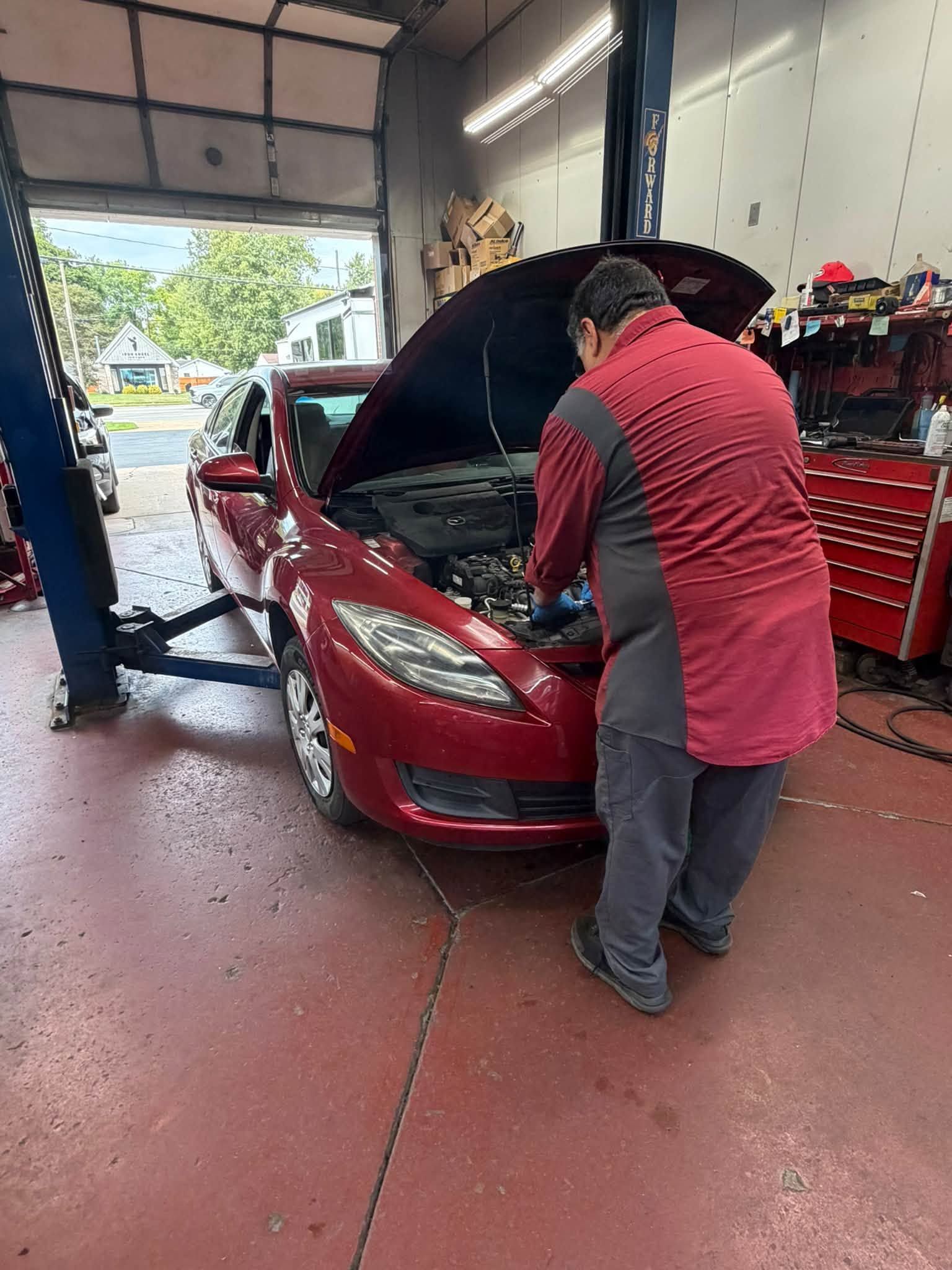
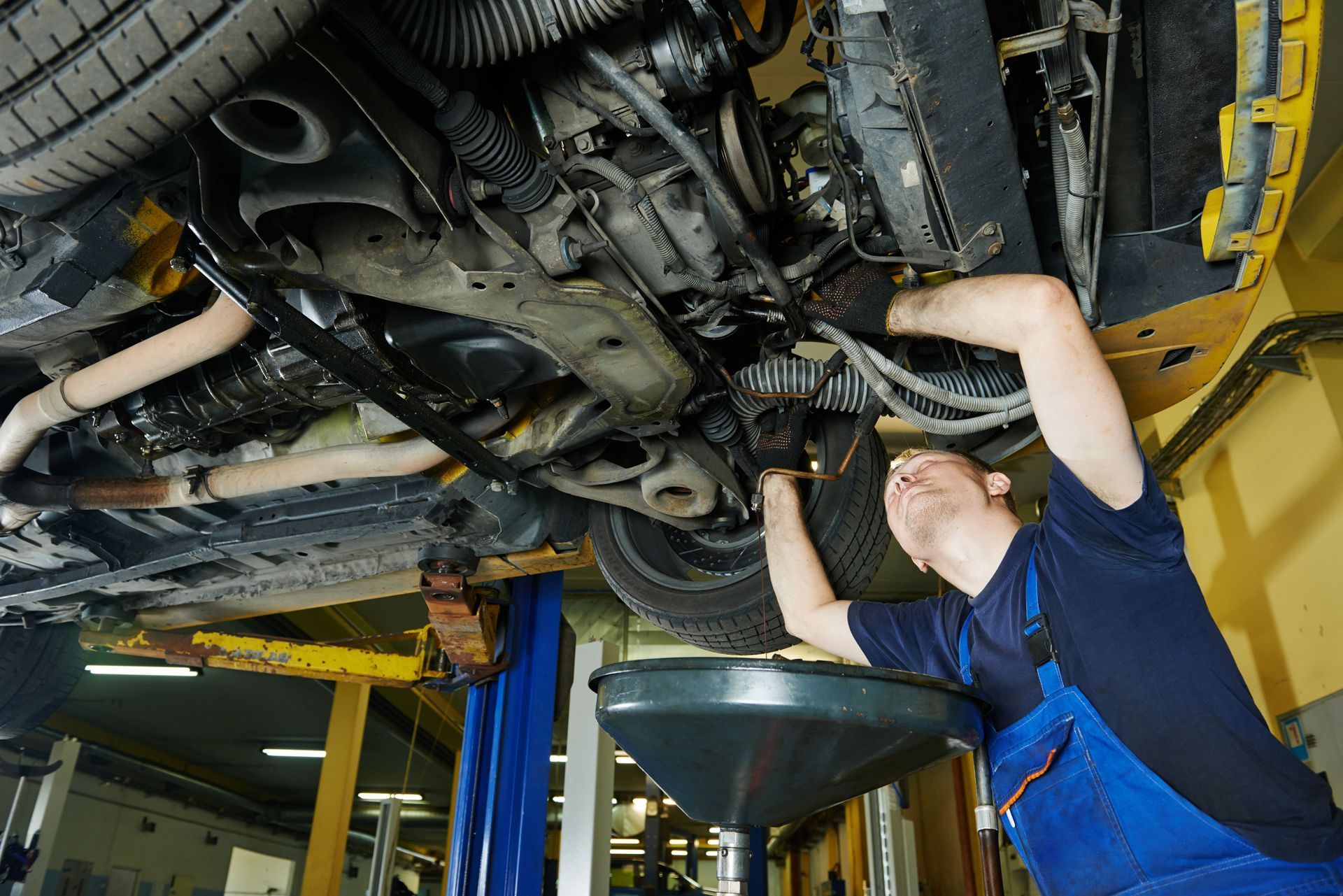
At the repair facility, skilled technicians can evaluate your vehicle's mechanical issues immediately upon arrival. Having qualified technicians diagnose engine problems, brake issues, or electrical failures ensures your car receives prompt, expert attention. Streamlining the step between roadside pick-up and shop arrival gets your vehicle repaired and back on the road safely without unnecessary hassle or extended delays.
Navigating unexpected car trouble does not have to ruin your daily schedule. When you need a reliable
tow truck service across Northwest Ohio and Southeast Michigan, our team is ready to step in and assist you immediately. As a local and family-owned company, J & J Towing & Service Center takes pride in offering 24/7 towing services with fully licensed and insured operators. Our experienced technicians are equipped to handle everything from emergency roadside pick-ups to comprehensive auto repairs. Call us today to learn more about how we can help you stay safe on the road!