November 13, 2026
Knowing what to look for in a towing company before an emergency occurs can save time, money, and frustration. Vehicle breakdowns, flat tires, and other roadside problems can happen unexpectedly, so identifying a dependable provider ahead of time is important. By comparing company reputations, availability, pricing, and service options, drivers can feel more prepared when unexpected vehicle trouble arises.
Researching Reliable Towing Services
Checking Online Reviews and Ratings
Online reviews provide valuable insight into a company's reliability and customer satisfaction. Platforms such as Google, Yelp, and the Better Business Bureau allow drivers to evaluate feedback about response times, pricing, and service quality. Look for consistent positive experiences rather than relying on a single review. Repeated complaints about delayed arrivals, unexpected fees, or poor communication may indicate potential problems.
Reviews can also reveal whether a company handles different vehicle types and roadside situations. According to ZIPDO, passenger cars are the most commonly towed vehicles in the United States, accounting for approximately 70% of all towed vehicles. While standard car towing meets many drivers' needs, owners of motorcycles, RVs, or other specialized vehicles should confirm that a provider has the appropriate equipment. Finding a tow truck service with experience handling your particular vehicle can help prevent transportation complications.
Seeking Recommendations from Family and Friends
Personal recommendations offer another useful way to identify trustworthy towing companies. Friends, relatives, and coworkers can share firsthand experiences involving service quality, pricing, and customer care. Their feedback can help confirm online findings and introduce drivers to dependable local providers that may have a smaller online presence
People who have previously needed roadside assistance may also offer practical advice about the towing process. Their experiences can help drivers understand what to expect, which questions to ask, and how to avoid unnecessary expenses. They may also recommend a tow truck service that provided dependable assistance during an unexpected breakdown.
Verifying Credentials and Company Experience
Before selecting a provider, verify that the company maintains the licenses, permits, and insurance required by applicable state and local regulations. These credentials demonstrate that the business meets relevant operating requirements. Drivers should feel comfortable asking for documentation or clarification before arranging service.
Experience also matters when evaluating a company's ability to handle roadside emergencies. Established providers may have encountered a wide range of breakdowns and recovery situations. Ask about their equipment, operator training, and experience with your vehicle type to determine whether they are prepared to handle your situation safely. An experienced tow truck service may also be better equipped to manage unexpected challenges during vehicle transportation.
Comparing Costs and Pricing Transparency
Comparing estimates from several companies helps drivers understand typical towing costs in their area. Reputable providers should explain their pricing structures, including base rates, mileage charges, and additional fees. Ask whether after-hours assistance, difficult vehicle recovery, or extended-distance transportation involves extra costs.
The lowest estimate does not necessarily represent the best value. Consider the company's reputation, equipment, availability, and included services alongside its pricing. Clear communication about costs before dispatch can prevent misunderstandings and unexpected expenses. Before choosing a tow truck service, make sure you understand exactly what the quoted price includes.
Assessing Availability and Response Times
Confirming 24/7 Emergency Availability
Vehicle problems can happen at any hour, making around-the-clock availability an important consideration. A dependable tow truck service should explain whether assistance is available during evenings, weekends, and holidays. Knowing how a company handles calls outside regular business hours helps drivers prepare for situations that cannot wait.
Drivers should also ask whether emergency assistance is available throughout the company's advertised service area. Some providers may operate continuously but have limited coverage in certain locations. Understanding these details beforehand can prevent unnecessary delays.
Evaluating Average Response Times
Response time can significantly affect the experience of dealing with a roadside emergency. Waiting beside a busy highway or in an unfamiliar location can create additional stress and safety concerns. Ask prospective providers about their typical arrival windows and how they handle periods of increased demand.
Response times may vary depending on traffic, weather, distance, and active service calls. Companies that communicate realistic estimates and provide updates demonstrate consideration for customers. Reliable communication is especially valuable when unexpected delays occur.
Checking Service Area Coverage
A company's location and service area can influence how quickly it reaches stranded drivers. Providers operating near major roads and highways may have convenient access to frequently traveled routes. However, drivers should not assume that a nearby business serves every surrounding community.
Review the company's coverage map or ask whether assistance is available along your regular travel routes. This is particularly important for people who frequently commute or drive through rural areas. A tow truck service with coverage along frequently traveled routes can provide added convenience when problems arise away from home.
Reviewing Tracking and Communication Options
Clear communication makes the waiting process more manageable. Some towing companies offer text updates, estimated arrival times, or GPS-based tracking. These features help customers understand where their driver is and whether the estimated schedule has changed.
Even without digital tracking, a professional provider should offer straightforward communication through its dispatch team and drivers. Confirm that the company can explain arrival estimates and any changes that arise during the process.
Preparing for Holidays and Peak Traffic
Holiday travel, severe weather, and heavy traffic can increase demand for roadside assistance. A company with adequate staffing and equipment may be better prepared to handle busy periods. Ask how the provider manages high call volumes and whether response times typically change during major travel seasons.
Saving the company's contact information before traveling can reduce the time needed to arrange assistance during a busy period. Having a dependable tow truck service selected in advance also eliminates the need to research providers while stranded.
Understanding Available Towing and Roadside Services
Identifying Basic Towing and Roadside Assistance
Not every vehicle problem requires transportation to a repair facility. Many towing companies offer roadside assistance for common issues, including dead batteries, flat tires, lockouts, and empty fuel tanks. These services can help drivers resolve minor problems without arranging a full tow.
Ask which roadside services are available and whether they are included in standard assistance rates. Understanding the company's capabilities makes it easier to determine whether on-site help or vehicle transportation is appropriate.
Confirming Specialized Vehicle Towing
Different vehicles require different towing methods and equipment. Motorcycles, recreational vehicles, and larger vehicles may need specialized transportation to prevent damage. Drivers should confirm that a provider can accommodate their vehicle's size, weight, and configuration.
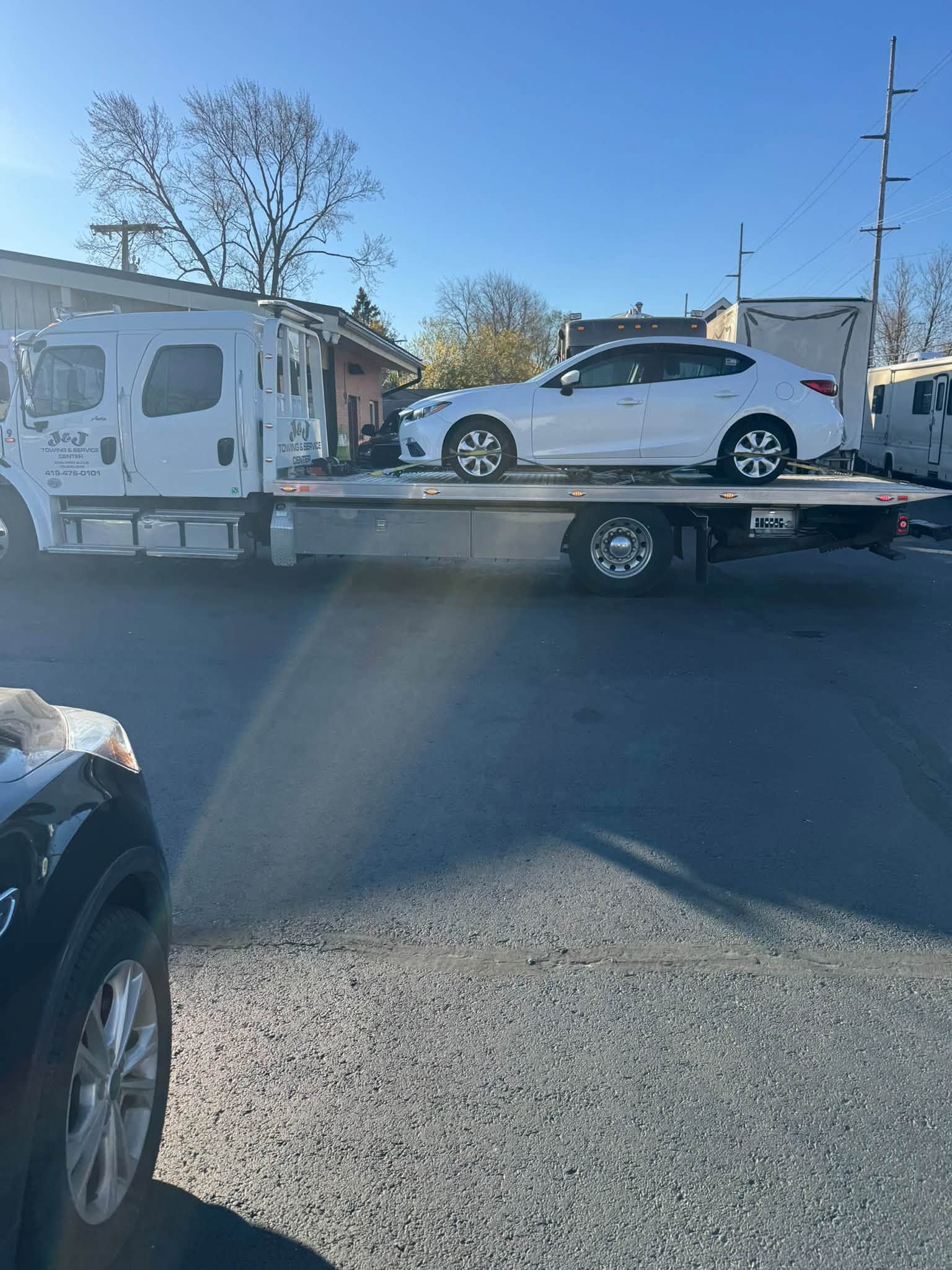
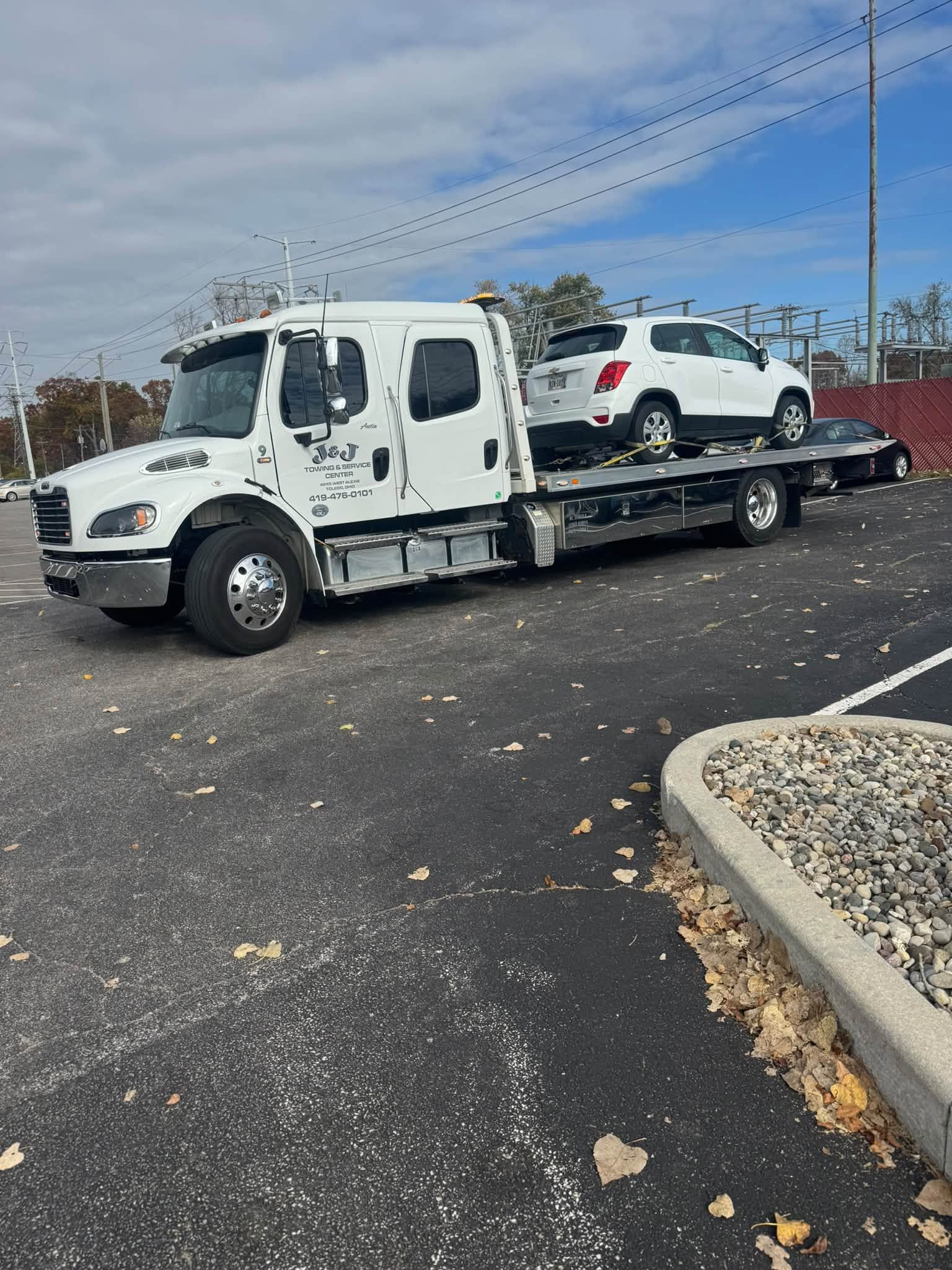
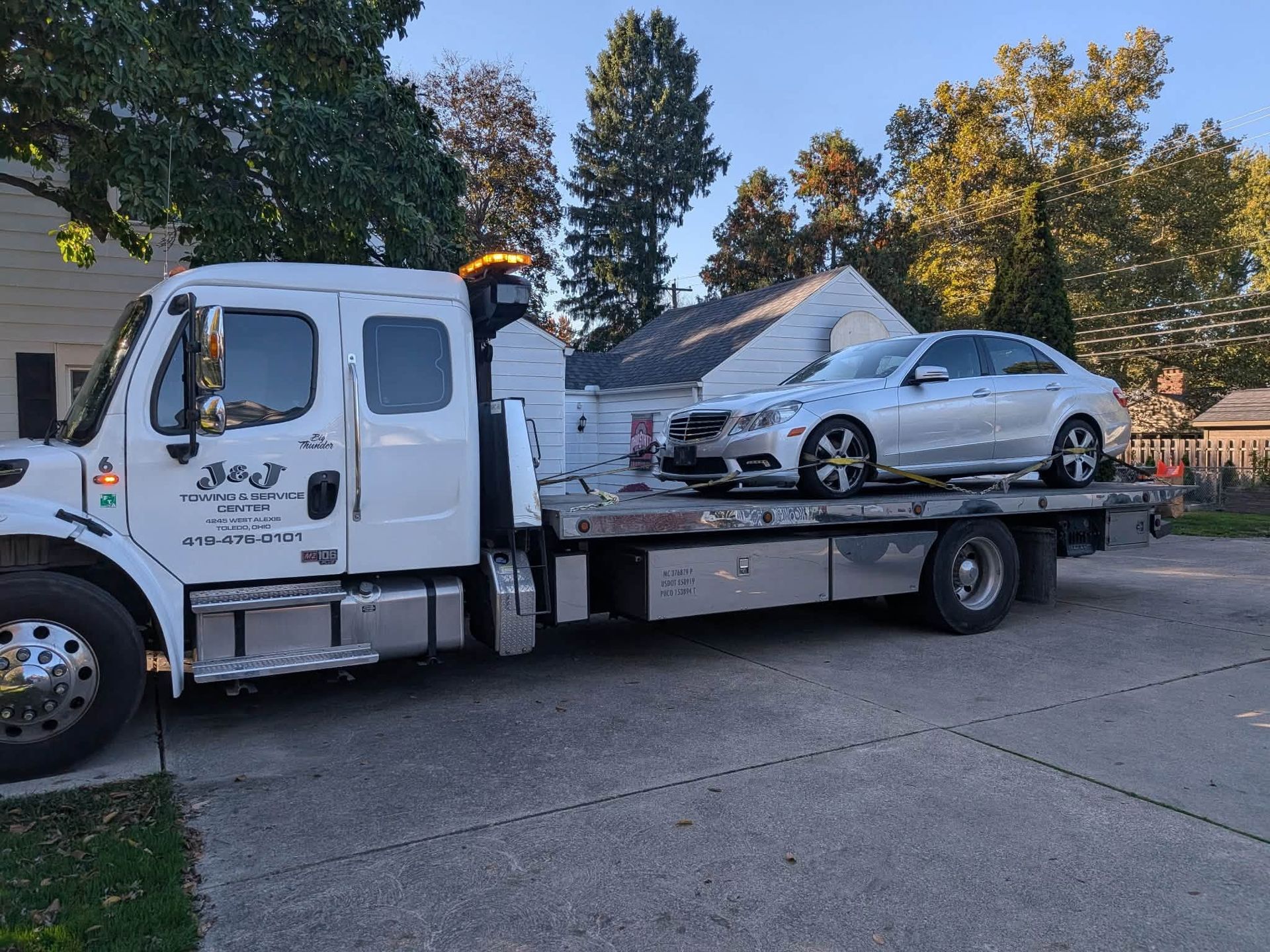
Flatbed trucks, appropriate securing equipment, and trained operators can be important considerations. Discussing these requirements before an emergency helps ensure that the company can provide suitable assistance.
Reviewing Accident and Vehicle Recovery Services
Vehicles involved in accidents or stranded in difficult terrain may require more than standard towing. Recovery services can involve winching, specialized lifting equipment, and careful vehicle retrieval. These situations require appropriate equipment and operators familiar with safe recovery procedures.
Drivers should ask whether the company handles accident recovery and challenging roadside situations. Knowing which services are available can be especially helpful for people who travel through rural areas or encounter rough terrain.
Checking Additional Assistance Options
Jump-starts, tire changes, fuel delivery, and lockout assistance can make a roadside emergency easier to resolve. A company offering several services provides drivers with more options when unexpected problems occur.
Ask whether technicians can address common vehicle issues at the roadside and when a tow to a repair facility may be necessary. Understanding these options helps drivers avoid arranging services they may not need.
Understanding Insurance and Payment Options
Insurance coverage can influence the amount drivers pay for towing and roadside assistance. Contact your insurance provider to determine whether towing is included in your policy and whether specific companies or service limits apply. Some policies require customers to pay upfront and submit documentation for reimbursement.
It is also important to confirm accepted payment methods before requesting assistance. Credit cards, debit cards, and other options may be available depending on the provider. Clear information about insurance and payment expectations can prevent additional stress during an emergency.
For dependable roadside assistance and towing solutions, contact J & J Towing and Service Center. Having a reliable provider's information available can help you feel more prepared for unexpected vehicle problems and get back on the road with less uncertainty.