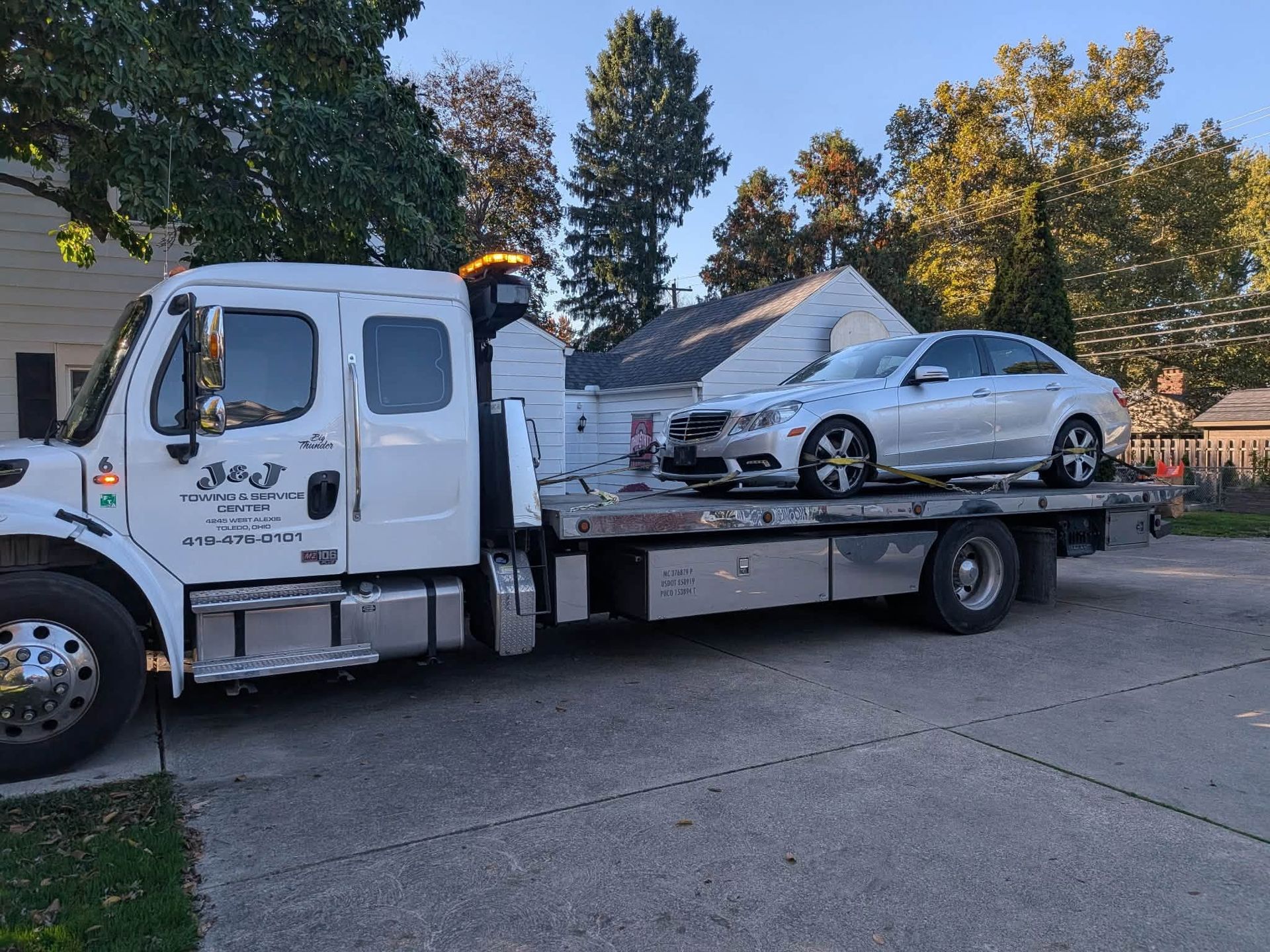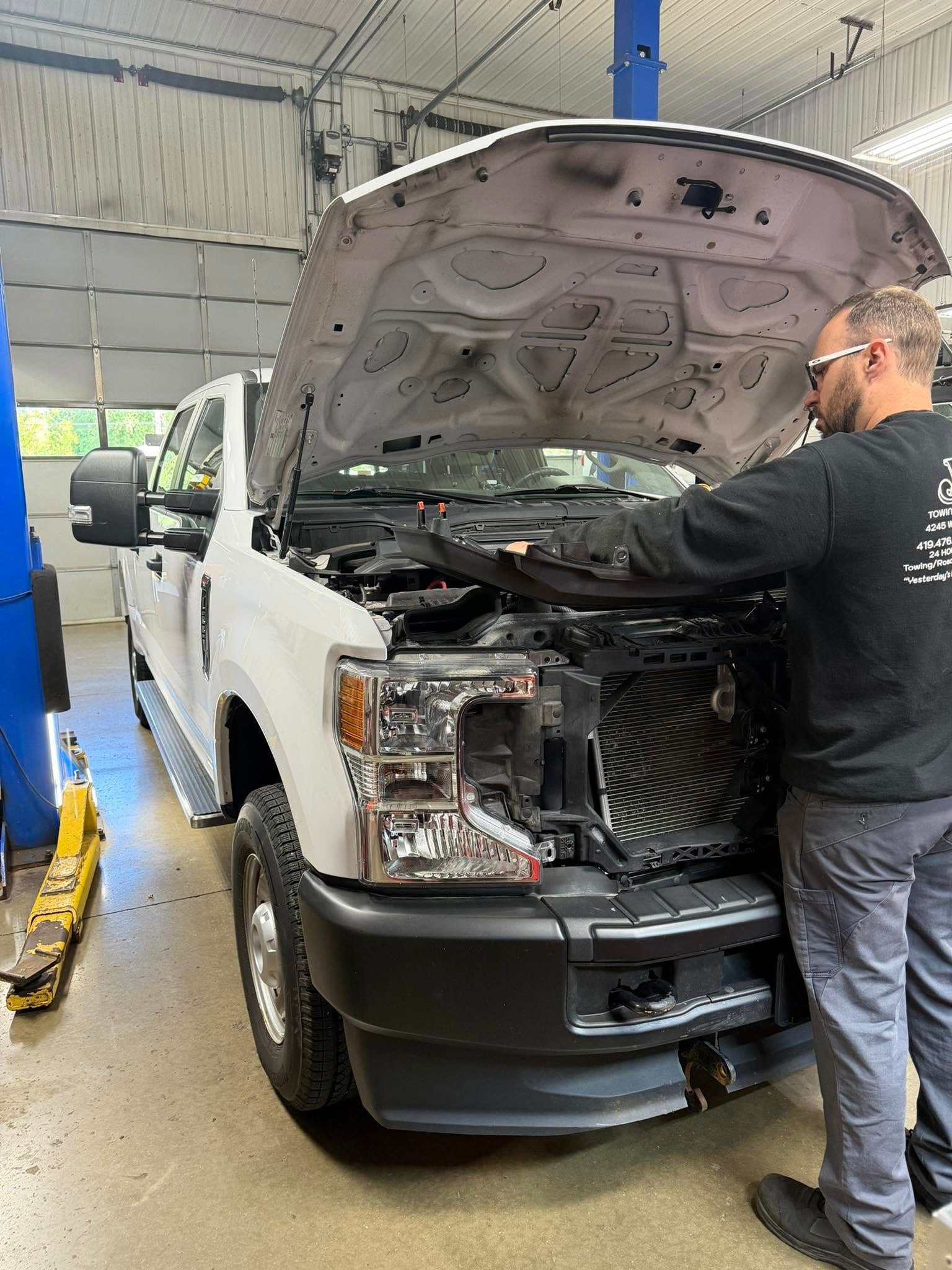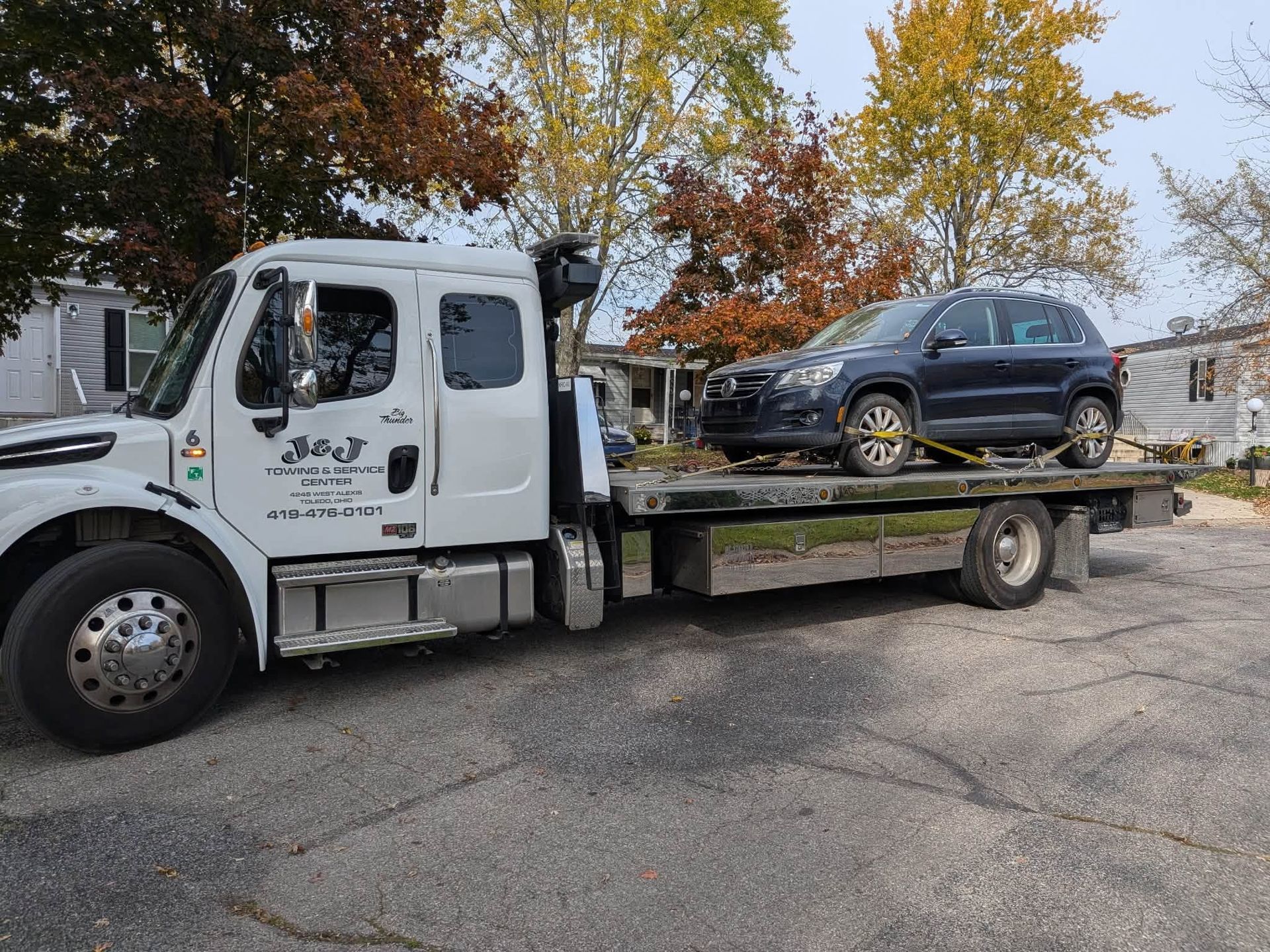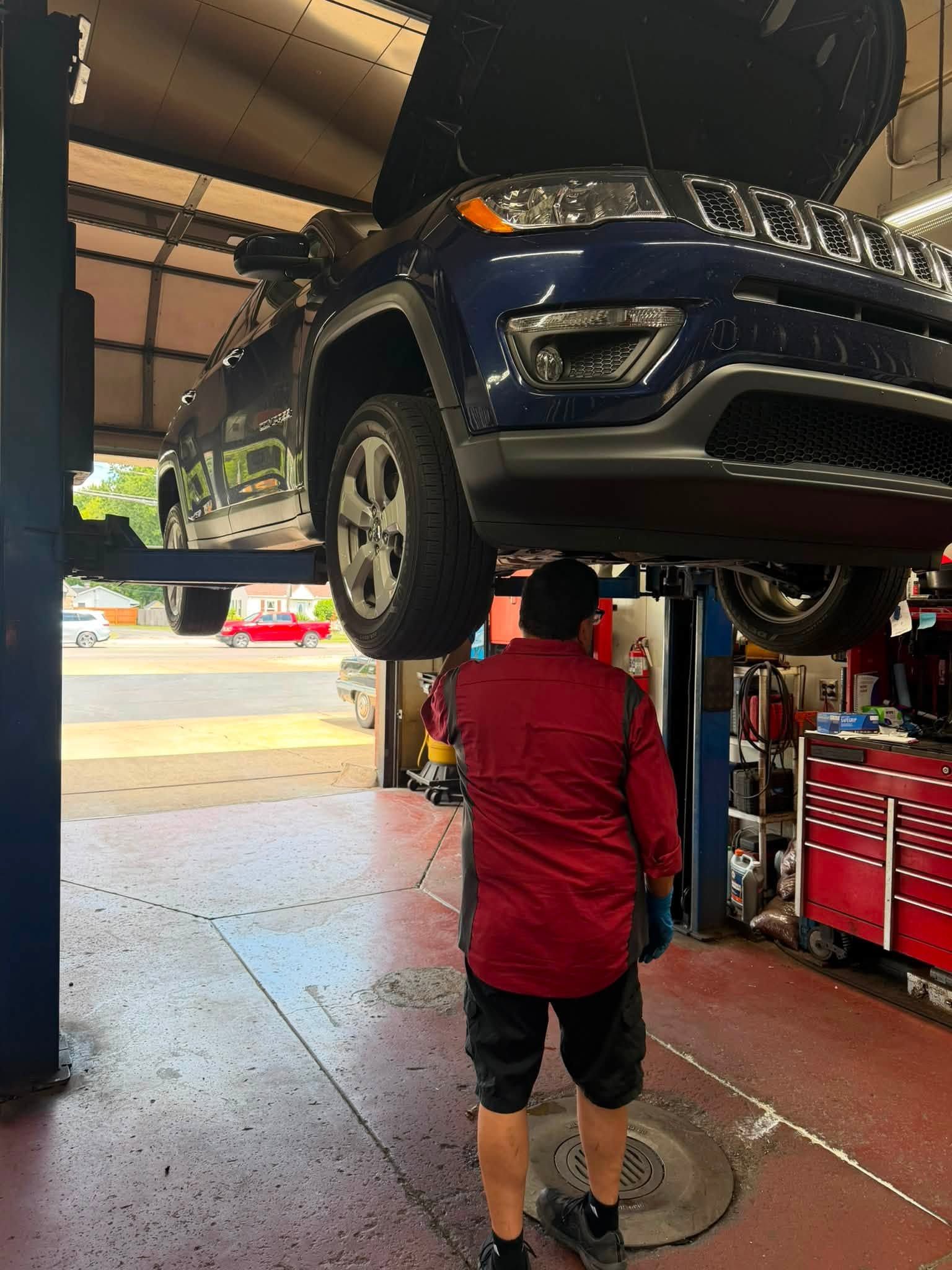
Unexpected vehicle problems can leave drivers stranded in unsafe or inconvenient locations. Mechanical failures, tire damage, fuel issues, and severe weather are common reasons motorists need emergency towing. Knowing when professional assistance is necessary helps protect drivers, prevent further damage, and get vehicles to a repair facility safely.
Mechanical Failures
Engine trouble can cause a vehicle to stop running without warning. Overheating, oil leaks, and internal component failures can leave drivers unable to continue their journeys. Emergency towing provides a safe way to transport the vehicle to a qualified repair facility.
Transmission problems can also make a vehicle unsafe or impossible to drive. Warning signs include slipping gears, delayed shifting, unusual noises, or difficulty accelerating. Auto technicians can diagnose these problems and determine which repairs are necessary.
Brake failure is another serious reason to request emergency towing. Grinding noises, a soft brake pedal, or reduced stopping power can indicate a dangerous malfunction. Drivers should stop in a safe location when possible and arrange professional assistance rather than risk continuing to drive.
Overheating can cause extensive engine damage if the vehicle continues operating. Cooling system leaks, radiator malfunctions, and thermostat problems may contribute to rising temperatures. Auto technicians can identify the cause and recommend appropriate repairs after the vehicle reaches a service center.
Electrical failures can leave motorists stranded as well. A failing alternator may cause dim headlights, dashboard warnings, or a loss of electrical power. Professional towing allows the vehicle to reach a repair facility where the electrical system can be evaluated.
Tire and Wheel Problems
Flat tires and sudden blowouts frequently lead to roadside emergencies. Punctures, damaged sidewalls, and worn rubber can compromise stability, particularly at highway speeds. When a tire failure makes driving unsafe, emergency towing provides a reliable way to reach a tire service facility.
Worn tire tread and poor wheel alignment can also affect road safety. Insufficient tread reduces traction on wet or icy pavement, while alignment problems may cause uneven wear and steering difficulties. Auto technicians can inspect these conditions and recommend repairs or replacements.
Some vehicles do not carry spare tires, leaving drivers with limited options after a flat. Even available spare tires may be unsuitable for extended travel. Professional towing helps motorists reach a facility where the damaged tire can be assessed and replaced.
Incorrect tire pressure can contribute to poor handling, uneven wear, and an increased risk of damage. Temperature changes may also affect pressure, making seasonal inspections important. When tire problems compromise safety, towing can prevent further risks on the road.
Fuel and Starting Problems
Running out of fuel can happen during long trips, traffic delays, or unexpected detours. Roadside assistance may provide fuel delivery, while towing can help when the vehicle cannot be safely returned to service.
Fuel system malfunctions can cause stalling, hesitation, and difficulty starting. A failing fuel pump, clogged filter, or damaged injector may prevent the engine from receiving the fuel it needs. Auto technicians can assess the system and identify the source of the problem.
Starting difficulties may also result from a weak battery, damaged starter, or faulty electrical connection. When the engine repeatedly fails to start, professional diagnostics can determine the cause. Emergency towing provides transportation to a repair facility when roadside assistance cannot resolve the issue.
Weather-Related Emergencies
Severe weather increases the likelihood of breakdowns and roadside incidents. Freezing temperatures can affect batteries, tire pressure, and engine performance, while extreme heat places additional strain on cooling systems. When weather contributes to a breakdown, emergency towing helps motorists reach a suitable repair location.
Winter conditions can be particularly challenging for electric vehicle owners. According to AAA Research, extreme winter conditions at 20 degrees Fahrenheit can temporarily slash an electric vehicle's driving range by as much as 41% when running the heater. This reduction can leave drivers with less range than expected, especially during long journeys or traffic delays.
Snow and ice can contribute to collisions, vehicles becoming stuck, and tire or suspension damage. Driving when traction is compromised increases the risk of further incidents. Towing professionals can determine an appropriate way to recover or transport the vehicle.
Flooding presents another serious hazard because water can damage engines and electrical systems. Driving through floodwater may also expose motorists to dangerous conditions. Vehicles affected by substantial flooding may require professional assessment and towing before they can safely return to the road.
Collision Damage
Even minor collisions can make a vehicle unsafe to drive. Damage to the steering system, suspension, tires, or cooling components may not be immediately apparent. Emergency towing allows the vehicle to be inspected without exposing drivers or other road users to unnecessary risks.
More serious accidents may leave vehicles immobile or obstructing traffic. Towing professionals can help remove damaged vehicles when conditions permit and transport them to an appropriate facility. Auto technicians can then evaluate mechanical and structural damage and recommend necessary repairs.
Drivers should not assume a vehicle is safe simply because it still runs after an impact. Hidden damage can affect important safety systems and components. A professional inspection helps identify problems before the vehicle returns to regular use.
Suspension and Steering Failures
Suspension problems can affect vehicle stability, tire contact, and ride quality. Damaged springs or worn components may cause unusual noises, uneven vehicle height, or difficulty maintaining control. When these symptoms make driving unsafe, towing provides a practical way to reach a repair facility.
Steering failures can be equally dangerous. Difficulty turning the wheel, excessive looseness, or sudden changes in steering response may indicate a mechanical problem. Drivers should avoid continuing their journey when steering control is compromised and arrange professional transportation.
Auto technicians can inspect steering and suspension components to determine whether repairs or replacements are necessary. Prompt attention helps restore handling and reduce the risk of additional damage. Emergency towing ensures vehicles with serious handling problems reach a repair facility safely.
Warning Lights and Sudden Performance Changes
Dashboard warning lights can indicate problems involving the engine, transmission, brakes, or electrical system. Some warnings require immediate attention, especially when accompanied by smoke, unusual smells, severe noises, or sudden performance changes. Continuing to drive despite serious symptoms may increase repair costs or create safety hazards.
A sudden loss of power can also make it difficult to maintain speed or merge into traffic. Engine trouble, fuel delivery problems, and electrical failures can all contribute to this issue. When a vehicle cannot operate reliably, towing helps drivers avoid becoming stranded in a dangerous location.
Auto technicians can use diagnostic equipment and inspections to identify the source of a warning and recommend appropriate repairs. Prompt assessment helps motorists make informed decisions about vehicle safety and continued use.
Further Damage After a Breakdown
Recognizing when to stop driving is essential during a roadside emergency. Smoke, leaking fluids, severe overheating, brake problems, and major handling changes can signal conditions that require immediate attention. Moving to a safe location when possible and contacting professional assistance can help prevent further damage.
Routine inspections may reduce the risk of certain breakdowns, although unexpected failures can still occur. Monitoring tire condition, battery performance, fluid levels, and dashboard warnings can help drivers recognize developing problems. Auto technicians can also identify mechanical concerns during scheduled maintenance.
Keeping contact information for a reliable towing provider can make an unexpected breakdown less stressful. When requesting help, drivers should provide their location, vehicle details, and information about immediate hazards. These details help the provider determine the appropriate assistance.
Vehicle breakdowns can happen without warning, whether the cause is mechanical trouble, tire damage, severe weather, or an accident. Knowing when to request emergency towing helps protect motorists and ensures their vehicles reach an appropriate service facility. Professional assistance also makes it easier to arrange the inspections and repairs needed to address the underlying problem.
When an unexpected roadside emergency interrupts your plans, contact J & J Towing and Service Center for assistance. Whether your vehicle has suffered a mechanical failure or cannot be driven safely after an incident, professional towing can help you take the next step toward getting back on the road. Reach out to J & J Towing and Service Center when you need support during an unexpected vehicle emergency.