November 5, 2026
An unexpected breakdown can interrupt an ordinary drive within seconds. A stalled engine, flat tire, overheated vehicle, or collision can leave drivers uncertain about what to do next. The situation becomes more stressful when it happens at night, during severe weather, or far from familiar roads. Having access to dependable roadside assistance can make the experience easier to manage. Preparation cannot prevent every incident, but it can influence how confidently people assess their options and respond when problems arise.
Towing companies serve an important role in these moments by helping motorists move disabled vehicles and arrange the next steps. However, not every roadside situation requires the same response. Understanding what dependable service involves can help drivers make informed decisions when time, safety, and vehicle condition matter most.
Responding Promptly to Unexpected Breakdowns
When a vehicle stops working, the first concern is often how long it will remain stranded. Delays can disrupt work schedules, family commitments, and other responsibilities. A responsive towing provider should gather the vehicle's location, current condition, and the driver's immediate needs before determining what assistance to send.
Clear dispatch procedures can help reduce confusion. For example, a motorist reporting a flat tire in a parking lot may need different equipment than someone whose vehicle has stopped along a busy highway. Reliable towing companies ask relevant questions rather than assuming that every call requires the same truck or service.
Arrival times depend on traffic, weather, distance, and available personnel, so estimates are not guarantees. Still, straightforward updates allow motorists to make reasonable arrangements instead of wondering whether help is coming. Communication is particularly valuable when conditions change after the initial request.
Prioritizing Safety at the Roadside
A disabled vehicle can create hazards for its occupants and nearby traffic. Poor visibility, narrow shoulders, and fast-moving vehicles may increase the danger of waiting for assistance. Drivers should move to a safe location when possible, activate hazard lights, and contact emergency services if anyone is injured or the situation poses an immediate threat.
Professional towing companies contribute to roadside safety by considering where a vehicle is positioned and how it can be recovered. Operators may need to assess traffic exposure, road conditions, and available space before beginning work. Safe procedures are especially important when loading vehicles near intersections or on uneven surfaces. Drivers should also share nearby landmarks or mile markers when phone location data is imprecise, particularly on unfamiliar roads.
Motorists should follow directions from emergency personnel and avoid standing near moving traffic. If leaving the vehicle creates additional danger, waiting in a safer position may be preferable. Towing assistance cannot eliminate every roadside risk, but preparation and careful coordination can limit unnecessary exposure during an already difficult experience.
Preventing Further Damage to Vehicles
A breakdown does not always cause extensive vehicle damage, but improper handling can turn a manageable problem into a costly repair. Low ground clearance, damaged suspension components, and drivetrain configurations can all affect how a vehicle should be transported. Choosing the correct towing method is therefore more than a matter of convenience.
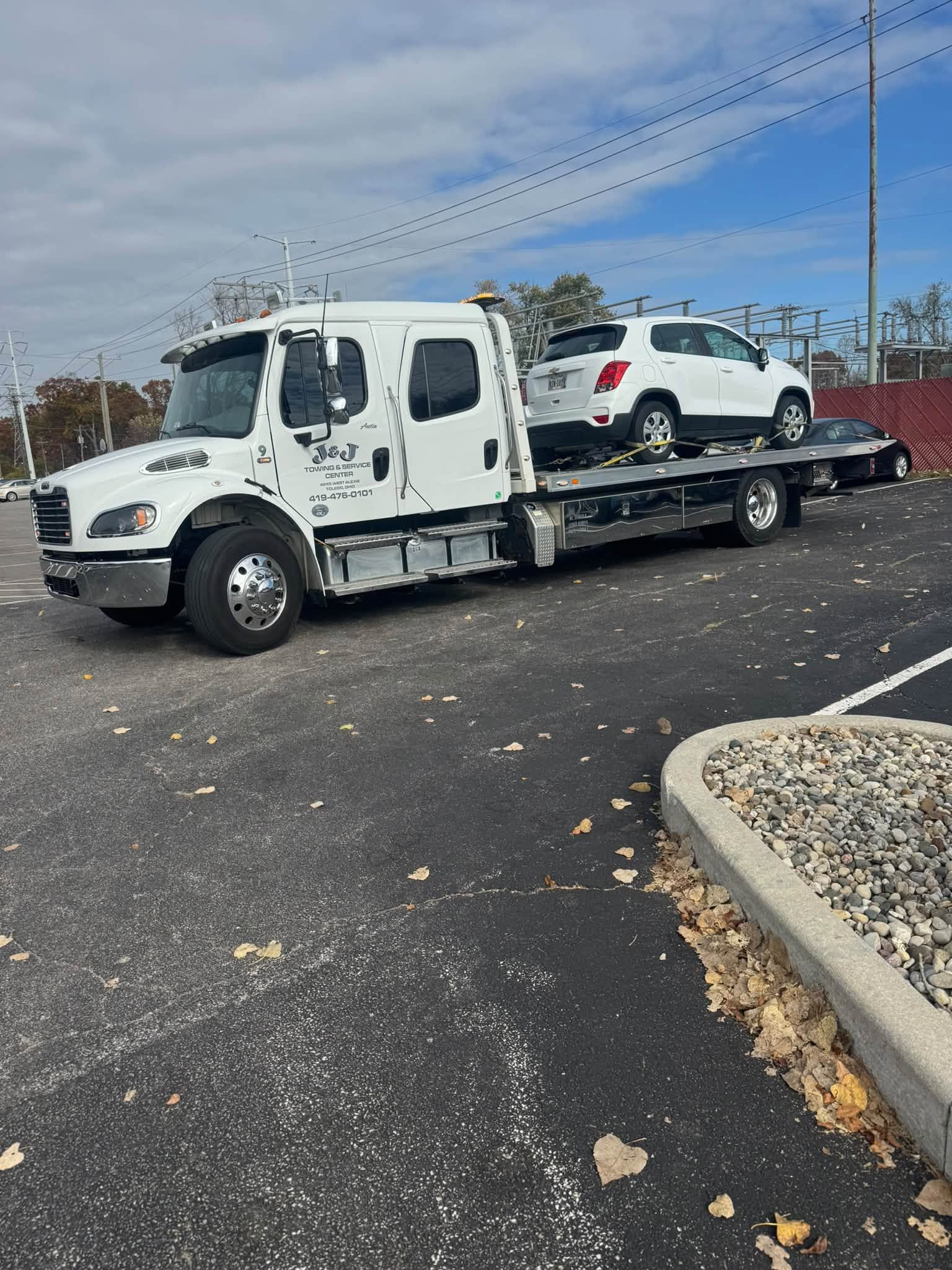
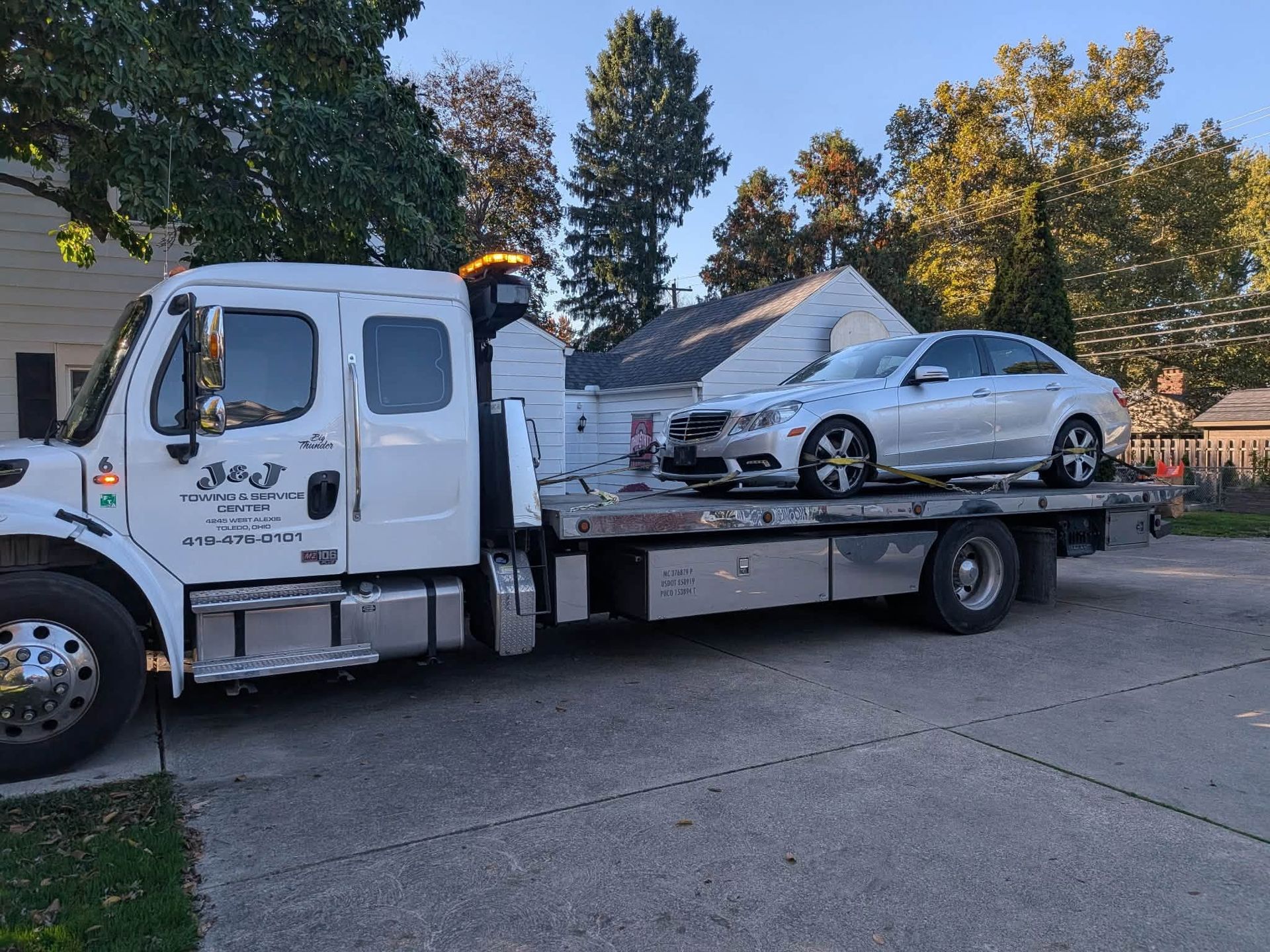
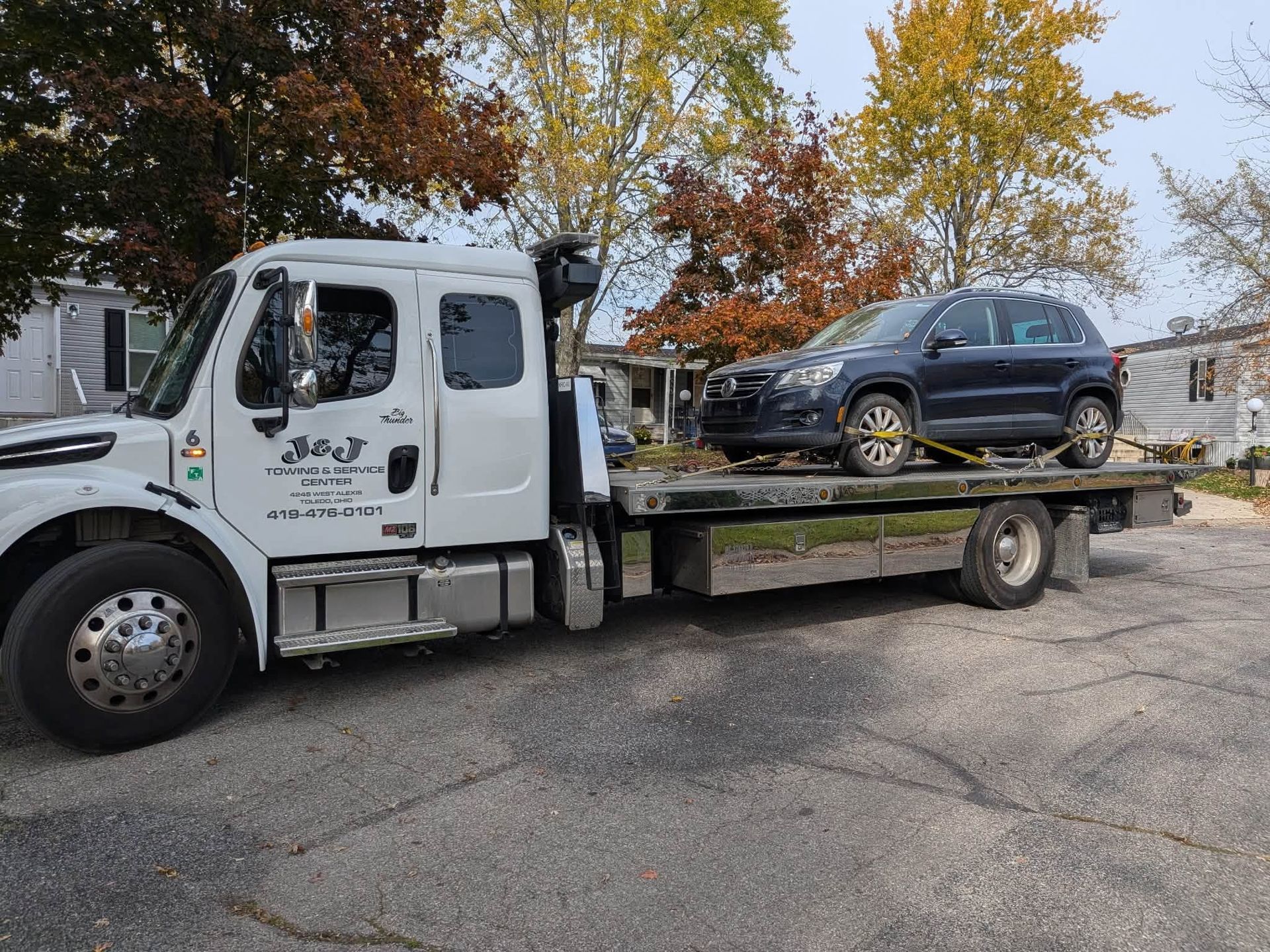
Experienced towing companies assess the vehicle before attaching recovery equipment. A flatbed truck may be appropriate for certain all-wheel-drive vehicles, vehicles with significant mechanical damage, or models with manufacturer-specific towing restrictions. Wheel-lift towing can be suitable in other circumstances when performed according to the vehicle's requirements.
Drivers should explain any known damage and share details about the make, model, and drivetrain. Vehicle manuals may also identify approved towing procedures. Careful preparation, secure attachment, and appropriate transport methods help reduce avoidable problems between the pickup location and the repair facility.
Matching Equipment to Roadside Needs
Roadside incidents vary considerably. One driver may need a battery jump-start, while another requires recovery from a ditch or transportation after a collision. Heavy vehicles and specialized equipment may present additional challenges that ordinary passenger-car towing equipment cannot address.
Well-equipped towing companies determine which truck, tools, and personnel fit the request. Depending on the provider's capabilities, services may include flatbed transport, wheel-lift towing, tire assistance, lockout help, or vehicle recovery. Not every company offers every service, making accurate descriptions important during the initial call.
Providing specific information helps dispatchers respond appropriately. Drivers should mention whether the vehicle starts, whether its wheels turn freely, and whether it is accessible from the road. They should also disclose unusual vehicle dimensions or conditions. The better the information, the easier it is to identify a practical solution without unnecessary equipment changes or repeat trips.
Communicating Clearly About the Process
Roadside problems often leave drivers with questions about where their vehicle will go, what the service includes, and how payment works. Unclear expectations can create frustration even when the towing itself is completed correctly. Consistent communication helps motorists understand the process before their vehicle is moved.
Dependable towing companies explain available transportation options and confirm the intended destination. Some motorists already have a preferred repair shop, while others need help identifying an appropriate location. When a vehicle cannot be repaired immediately, discussing storage arrangements and access to personal belongings may also be necessary.
Drivers should ask about estimated charges, payment methods, after-hours fees, mileage, and any additional recovery costs before authorizing service when circumstances permit. It is also helpful to confirm whether roadside assistance benefits or insurance coverage may apply. Written documentation of the pickup, destination, and charges can reduce misunderstandings later.
Evaluating Reputation and Service Standards
Choosing a provider during an emergency is difficult because there may be little time to compare options. Nevertheless, preparation can help motorists recognize useful signs of consistent service. Clear contact information, explanations of capabilities, and transparent billing practices are practical factors to review.
Online feedback can provide additional context. According to Gitnux, approximately 51% of consumers review online feedback before selecting an auto repair shop. Although that figure concerns repair shops rather than towing providers specifically, it illustrates why customer experiences can be useful when researching automotive services. Reviews may reveal recurring observations about communication, handling, or billing.
When comparing towing companies, drivers should look beyond a single rating. Specific, recent comments may be more informative than vague praise or criticism. It is also reasonable to ask whether the company can handle the vehicle's particular needs and whether it serves the location where assistance might be required.
Preparing for Future Roadside Emergencies
Planning ahead can make unexpected car trouble less overwhelming. Drivers can save a local towing provider's phone number, review their insurance or roadside assistance benefits, and learn which repair facilities they would prefer to use. Keeping essential vehicle information accessible can also simplify the first conversation with dispatch.
A basic emergency kit can support a safer wait. Useful supplies include a flashlight, reflective warning devices where appropriate, a phone charger, drinking water, and weather-appropriate clothing. Regular maintenance and attention to warning signs may reduce some breakdown risks, although no vehicle is completely immune to unexpected mechanical problems.
Building familiarity with towing companies before an emergency gives drivers more time to compare services and ask questions. When roadside trouble occurs, knowing whom to contact and what information to provide can make the response more organized. Dependable assistance helps drivers address immediate transportation problems and focus on getting their vehicles back into service.
Call J & J Towing and Service Center today to schedule your towing or auto repair service.