November 18, 2026
Vehicle breakdowns, flat tires, and accidents can happen without warning, leaving drivers stranded and unsure where to turn. Having access to dependable towing services can make these situations less stressful while helping protect drivers and other motorists. Whether dealing with a disabled vehicle or an accident scene, prompt assistance helps minimize disruptions and prevent additional roadside hazards. Understanding what towing providers offer and how to evaluate local companies can help drivers make informed decisions before an emergency occurs. Preparing ahead of time also makes it easier to communicate vehicle problems and request the appropriate assistance when unexpected situations arise.
Understanding Available Towing Services
Learning the Basics of Vehicle Towing
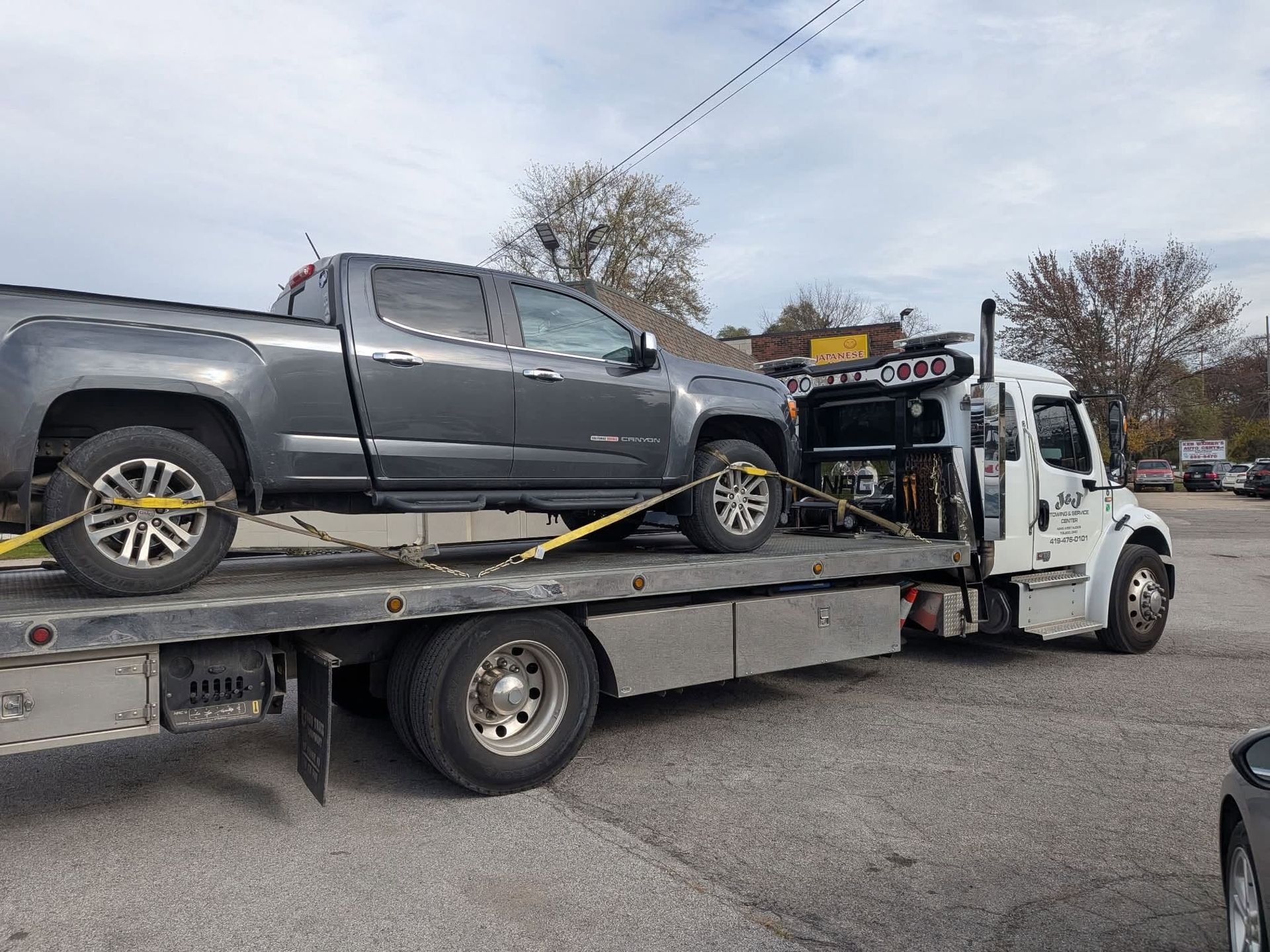
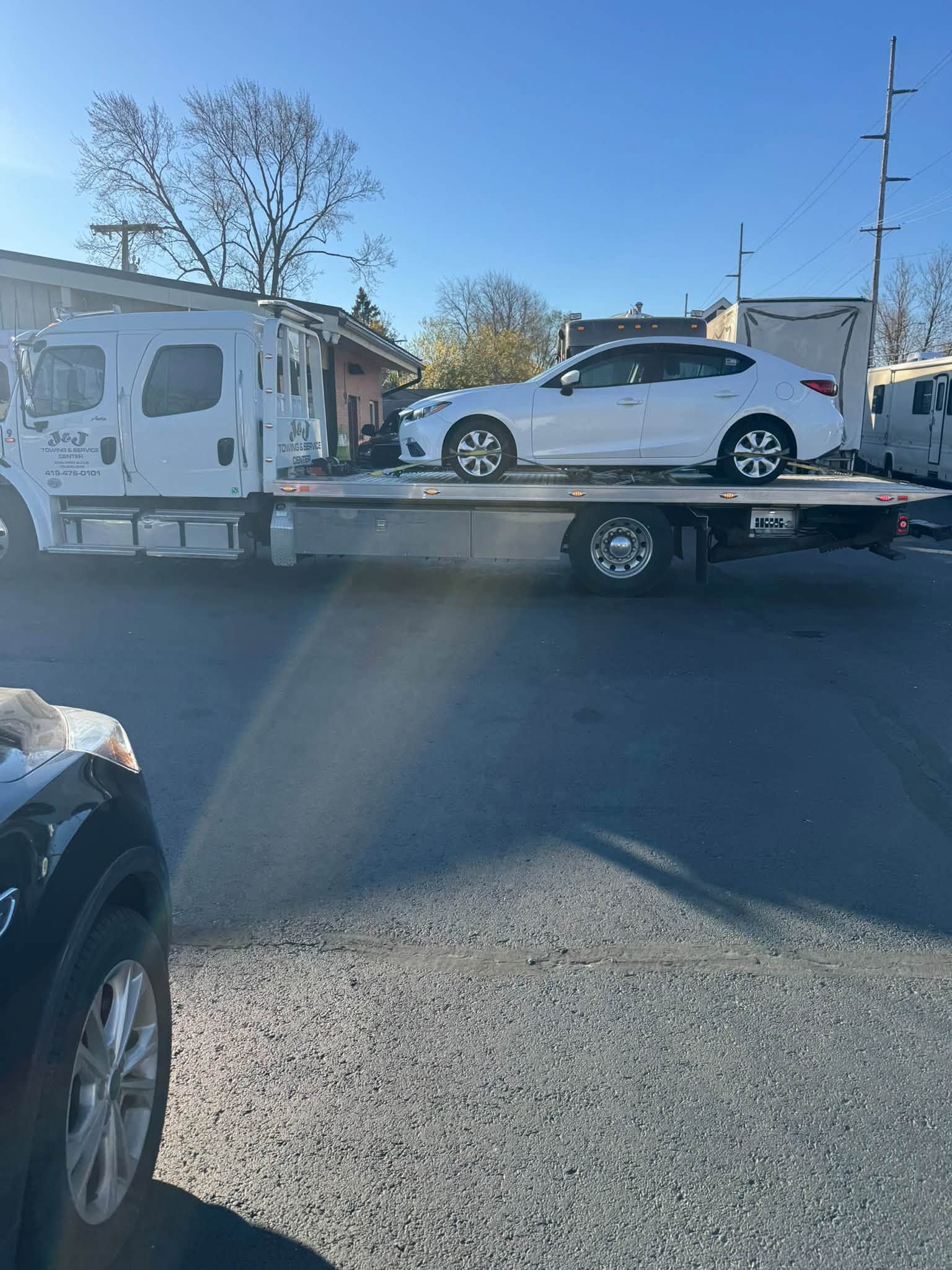
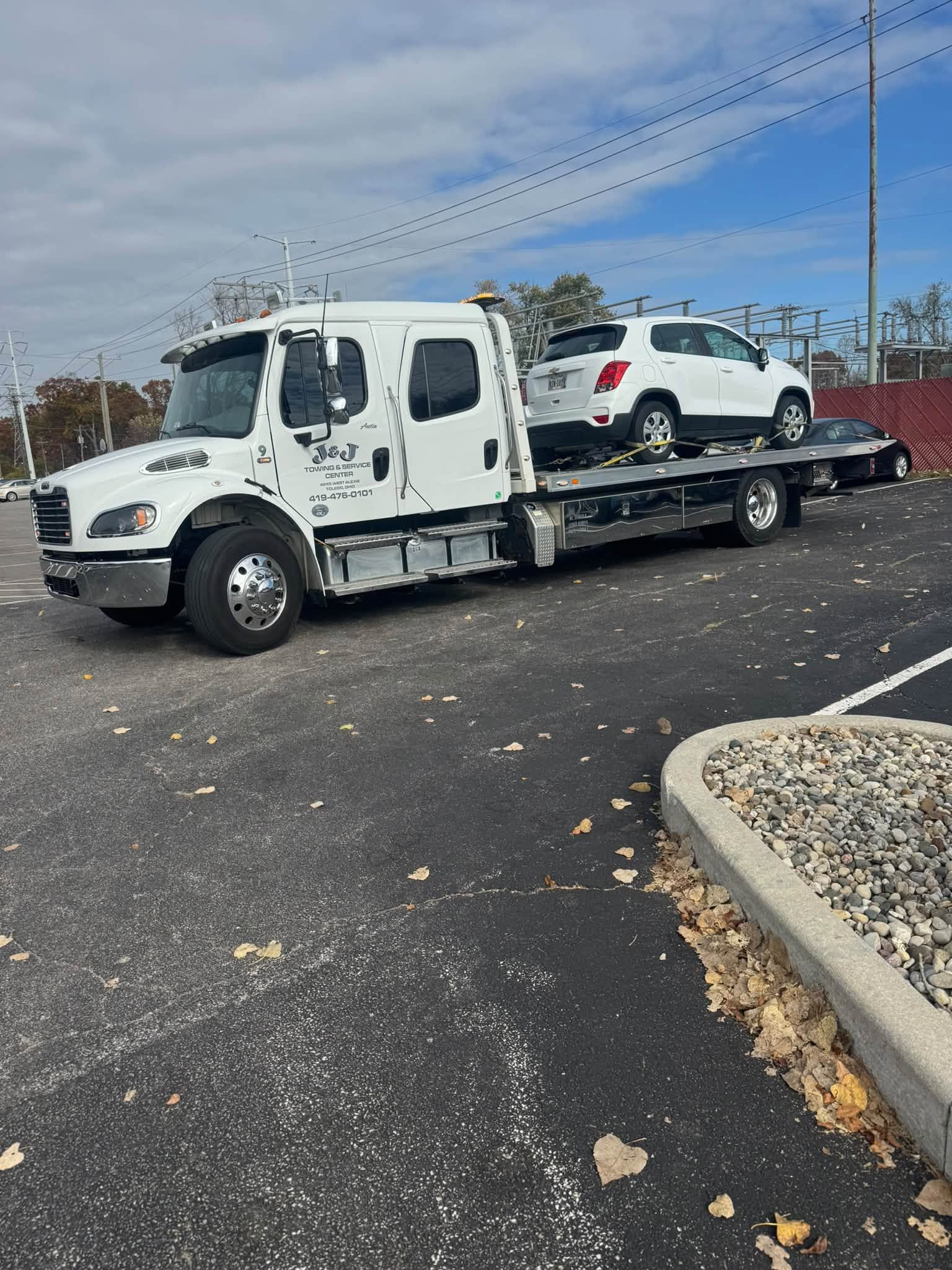
Towing involves transporting vehicles that cannot safely operate on their own. Different equipment and techniques accommodate various vehicle sizes and conditions. Flatbed trucks, wheel-lift systems, and specialized equipment allow operators to recover vehicles while reducing potential damage. A properly equipped tow truck can handle different recovery situations while helping protect the vehicle during transportation. The process typically begins with assessing the vehicle before securing it for transportation. Professional operators also follow established safety procedures when loading, moving, and unloading vehicles. They consider factors such as vehicle weight, mechanical condition, and transportation distance when determining the safest approach.
Comparing Different Towing Options
Not every vehicle requires the same towing method. Flatbed towing places the entire vehicle on a raised platform, making it suitable for luxury cars, all-wheel-drive vehicles, and vehicles with significant mechanical problems. Wheel-lift towing uses a metal yoke to lift either the front or rear wheels while the remaining wheels stay on the road. Specialized options are also available for motorcycles, recreational vehicles, and heavy equipment. Understanding these differences helps drivers explain their needs when requesting assistance and ensures the provider can send suitable equipment. Asking whether a company has the right tow truck for a particular vehicle can also help prevent unnecessary complications.
Understanding How Towing Companies Operate
Towing companies rely on dispatch systems, service vehicles, and trained operators to coordinate roadside assistance. When customers request help, dispatchers collect information about the vehicle's location, condition, and service requirements. This information helps determine which equipment is appropriate for the job. Service availability and coverage areas also influence response times. Pricing may depend on mileage, vehicle size, equipment requirements, and recovery complexity. Providing accurate information during the initial call can help prevent delays and allow operators to prepare for the situation before arriving.
Recognizing Important Safety Requirements
Towing operations must follow applicable regulations governing equipment, driver qualifications, and roadside procedures. Proper licensing and insurance coverage help protect customers and service providers. Operators must also account for surrounding traffic and weather conditions during vehicle recovery. Drivers can contribute to roadside safety by moving to a secure location when possible, turning on hazard lights, and remaining aware of approaching traffic. Following these precautions helps reduce risks while waiting for professional assistance to arrive.
Understanding Why Fast Towing Matters
Responding Quickly to Roadside Emergencies
Prompt assistance is particularly important when a vehicle becomes disabled in an unsafe location. A car stranded along a busy highway or in poor weather can create additional risks for its occupants and approaching motorists. According to Zipdo, the majority of roadside incidents involving towing are due to breakdowns (about 45%), with accidents accounting for roughly 25%. These figures highlight how frequently drivers depend on towing assistance. A timely response helps remove disabled vehicles, reduce traffic disruptions, and limit exposure to roadside hazards. It also allows motorists to move forward with repairs or alternative transportation arrangements sooner.
Improving Customer Satisfaction
Response times strongly influence how customers evaluate a towing provider. Drivers dealing with unexpected vehicle trouble often feel frustrated or anxious, making clear communication especially valuable. A professional tow truck operator should provide realistic arrival estimates, explain the next steps, and handle vehicles carefully. Companies that prioritize communication and consistent service can build stronger reputations and encourage repeat business. Keeping customers informed about delays or changes in service arrangements also demonstrates professionalism and consideration.
Supporting Insurance and Claims Processes
After an accident or mechanical failure, towing may be one of the first services needed before repairs can begin. Coordinating transportation with insurance providers and repair facilities can simplify the claims process. Drivers should understand their insurance coverage and determine whether their policies include roadside assistance or towing benefits. Keeping service records and receipts can also help when submitting claims or requesting reimbursement. Asking where the vehicle will be transported is another important step, particularly when an insurance inspection or repair estimate is needed.
Reducing Downtime for Commercial Vehicles
Businesses that depend on transportation cannot always afford extended vehicle downtime. Delivery companies, contractors, and commercial fleet operators may experience scheduling disruptions when vehicles become disabled. Establishing a relationship with a reliable towing provider helps businesses respond more efficiently. Access to appropriate recovery equipment and dependable dispatch support can limit interruptions to daily operations and customer commitments. Having a dependable provider identified in advance can also simplify coordination when multiple vehicles require assistance. A commercial tow truck equipped for larger vehicles can be especially valuable when fleet equipment needs recovery.
Choosing the Right Local Towing Provider
Researching and Comparing Companies
Researching providers before an emergency makes it easier to identify dependable options. Online reviews and customer testimonials can offer insight into service quality and reliability. Drivers should also verify that companies maintain appropriate licensing and insurance coverage. Comparing available services is important because some providers focus on passenger vehicles, while others handle motorcycles, commercial vehicles, or specialized recovery situations. Looking into a company's experience and service area can further help drivers determine whether it meets their expectations.
Evaluating Availability and Response Times
Vehicle problems rarely happen at convenient times, so availability is an important consideration. Companies offering around-the-clock assistance can help drivers who experience breakdowns late at night, early in the morning, or during holidays. Ask about typical response times, service coverage, and dispatch procedures. A nearby provider with an appropriate tow truck may be better positioned to assist than a company operating farther away. Drivers should also confirm whether emergency requests receive priority during periods of high demand.
Assessing Communication and Customer Support
Clear communication helps prevent confusion during roadside emergencies. Dispatchers should ask relevant questions about the vehicle, location, and problem to determine what assistance is needed. Professional customer support also includes explaining service procedures, potential charges, and transportation arrangements. A company that communicates openly can make the entire experience more manageable. Customers should feel comfortable asking questions about the process before agreeing to service.
Reviewing Insurance and Payment Policies
Before authorizing service, drivers should understand payment requirements and applicable fees. Towing costs may vary based on distance, equipment, vehicle condition, and additional recovery work. Asking for an estimate beforehand can help prevent unexpected expenses. Customers should also clarify whether the provider works with their insurance company or accepts roadside assistance benefits. Understanding accepted payment methods and potential additional charges can make the transaction more straightforward.
Recognizing the Benefits of Reliable Towing
Protecting Drivers and Their Vehicles
Professional towing provides a safe way to move disabled vehicles without requiring drivers to attempt unsafe transportation methods. Proper equipment and secure loading procedures help reduce the possibility of additional damage. Prompt assistance also limits the time motorists spend waiting in potentially hazardous roadside locations. Whether a vehicle needs to reach a repair shop or another destination, dependable transportation supports a safer recovery process. Professional handling is particularly important for vehicles with damaged tires, steering problems, or other mechanical concerns. Choosing an experienced tow truck operator helps drivers feel more confident about how their vehicles are handled.
Managing Unexpected Expenses
Arranging professional assistance can help prevent certain problems from becoming more expensive. Attempting to move a vehicle without appropriate equipment may contribute to further mechanical or exterior damage. Leaving a disabled vehicle unattended can also create concerns involving parking violations, storage charges, or weather exposure. Understanding available towing options and insurance benefits helps drivers make informed financial decisions. Comparing estimates and asking about service fees beforehand can also make unexpected expenses easier to manage.
For dependable roadside assistance and vehicle transportation, contact J & J Towing and Service Center. Having an established relationship with a trusted local tow truck provider can make unexpected vehicle problems easier to navigate.