Modern vehicles are essentially rolling computers. While older cars relied almost entirely on mechanical linkages, today's automobiles feature interconnected networks of microprocessors, sensors, and complex software. When something goes wrong beneath the hood, the days of simply listening for a rattle or looking for a loose belt are largely behind us. Diagnosing these modern, intricate automotive puzzles requires a blend of advanced technology, deep technical knowledge, and seasoned intuition. Professional auto technicians rely on a structured, scientific approach to unravel these mysteries, ensuring that your vehicle returns to the road safely and efficiently.
Understanding what happens behind the garage doors can demystify the repair process for vehicle owners. Diagnostic work isn't about guesswork or randomly replacing parts until a symptom disappears; it's a meticulous process of elimination. Experienced auto technicians treat every complex issue like a unique investigation, gathering clues and testing hypotheses. By following a rigorous, step-by-step methodology, these professionals can pinpoint the exact root cause of a malfunctioning system, saving you time, money, and unnecessary frustration.
Gathering Clues from Driver Input
The diagnostic journey always begins with the most valuable source of information available: the driver. Before a vehicle ever pulls into a service bay, auto technicians look to gather as much context as possible about the specific symptoms occurring on the road. They'll want to know exactly what you felt, heard, or smelled right before the issue began. Does a strange vibration occur only when braking downhill at highway speeds? Does the engine stumble exclusively during a cold morning start? These specific details provide the initial map that guides the entire investigation.
Once this subjective data is collected, professionals cross-reference your descriptions with known automotive patterns. A technician will carefully document the vehicle's service history, looking for recent repairs or recurring maintenance themes that might influence the current malfunction. By combining your real-world observations with their extensive industry knowledge, auto technicians can establish a solid starting point for their physical inspections, effectively narrowing down a massive web of possibilities to a few highly likely systems or components.
Reading Data from Vehicle Computers
Once the vehicle is inside the shop, the technician transitions from verbal clues to digital data. This phase involves plugging a sophisticated diagnostic scan tool directly into the vehicle's onboard diagnostics port. The tool communicates with the engine control module and various secondary computers, pulling any active or pending diagnostic trouble codes that have been logged. It's a common misconception that these codes tell the technician exactly which part to replace; in reality, they merely point to a specific circuit or system that is operating outside of its normal parameters.
Interpreting this digital information requires a high level of expertise. Skilled auto technicians don't just read the error code; they analyze the live, real-time data streaming from dozens of sensors simultaneously. They look at fuel trim percentages, oxygen sensor voltages, and engine temperature readings while the vehicle runs. By evaluating how these variables interact under different operating conditions, auto technicians can spot subtle anomalies that the vehicle's computer might not even flag as an official fault code yet.
Performing Inspections of Physical Parts
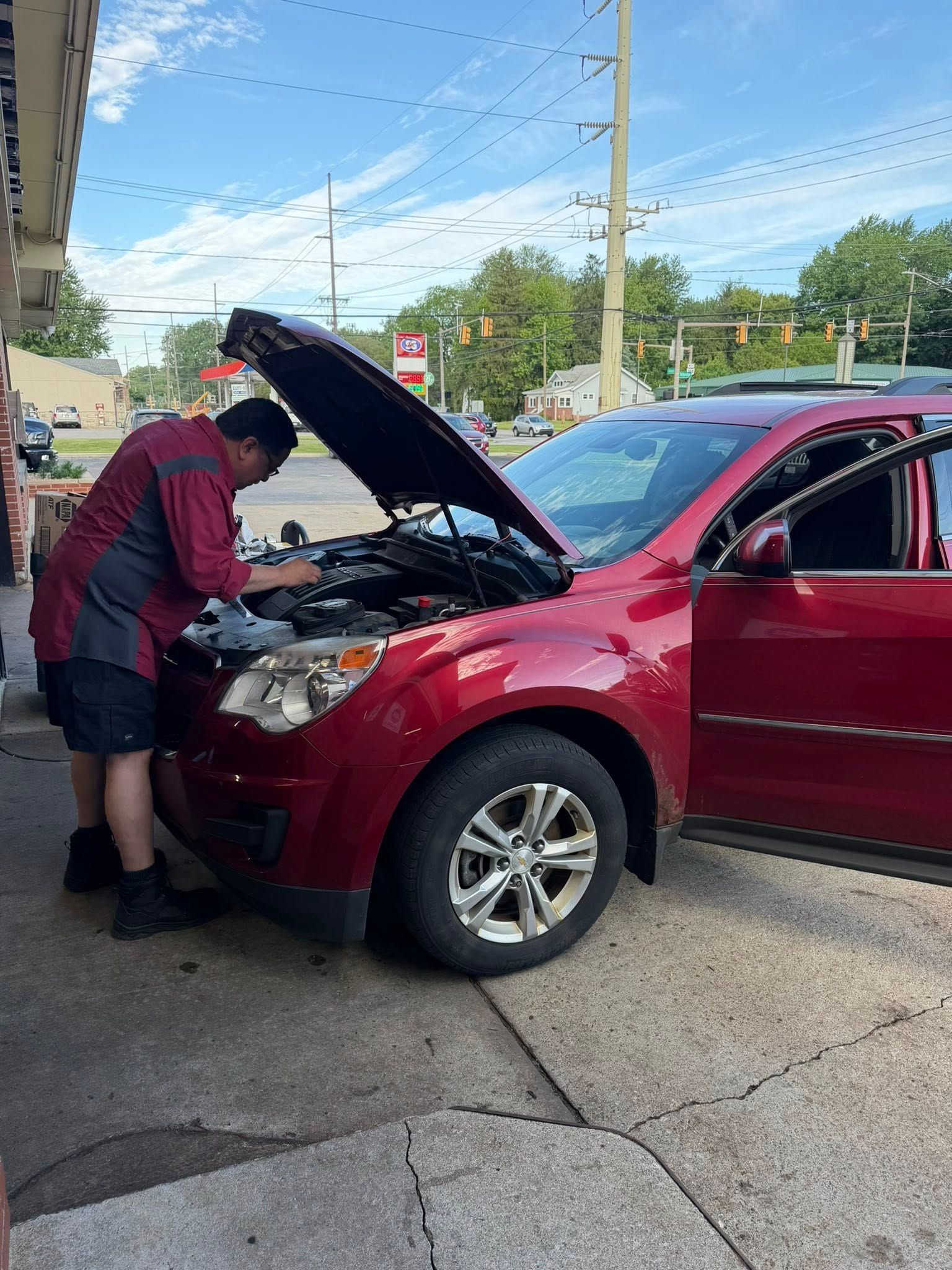
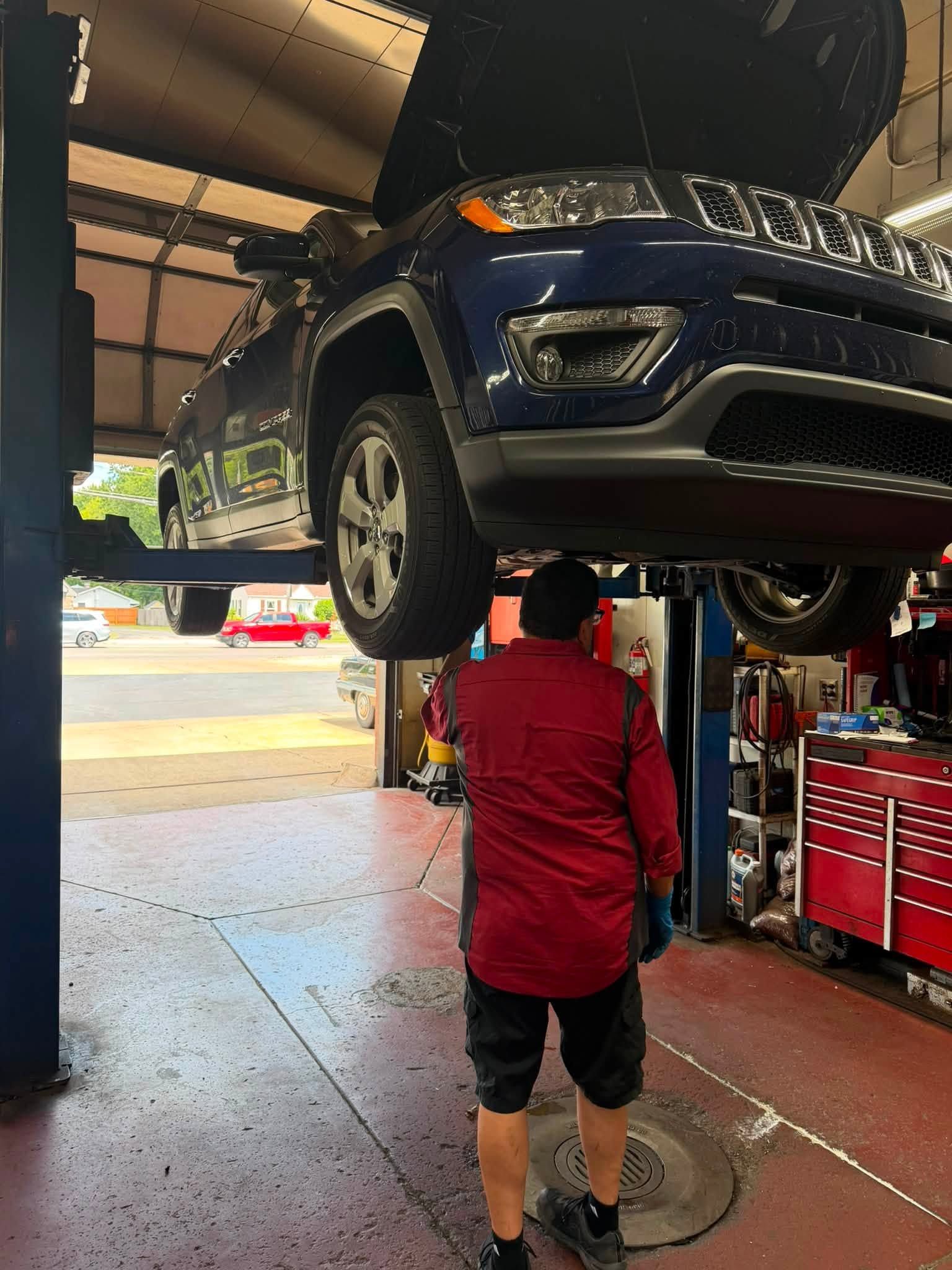
Data from a computer screen is highly valuable, but it must always be verified by hands-on evaluation. After identifying the suspect system via digital scans, technicians lift the hood or raise the vehicle on a hoist to conduct a thorough physical examination. This step is crucial because a computer error code pointing to a faulty sensor could easily be caused by a cracked vacuum hose, a corroded ground wire, or a physical blockage in a mechanical valve. Auto technicians use their eyes, ears, and hands to check the structural integrity of the surrounding components.
During this stage of the process, professionals look for signs of wear and tear that might escape an untrained eye. They inspect wiring harnesses for rub marks, check electrical connectors for moisture ingress, and look for tiny fluid leaks that could disrupt system pressures. This blend of visual checking and physical testing ensures that a mechanical failure isn't masquerading as an electronic glitch. It bridges the gap between what the vehicle's computer thinks is happening and what is actually occurring in the physical world.
Verifying Systems with Advanced Tools
When standard visual checks and code readings aren't enough to isolate a complex issue, technicians bring out specialized testing equipment. For intricate electrical faults or intermittent glitches, they might connect a digital oscilloscope to visually chart electrical signals over time, catching drops in voltage that happen in milliseconds. If an engine performance issue is suspected, they might utilize a smoke machine to find invisible leaks in the intake system or apply pressure gauges to verify that the fuel delivery system is meeting strict manufacturer specifications.
This level of detailed testing helps differentiate an average repair from an expert diagnosis. According to ConsumerAffairs, expect to leave your car at the shop for about two or three hours for a standard major service, though this timeframe can shift based on the vehicle's age, brand, and current state. However, isolating a deeply buried, intermittent electrical short or a complex transmission glitch can easily push diagnostic times past that benchmark. Dedicated auto technicians patiently work through these precise measurements, isolating individual wires and components until they discover the exact point of system failure.
Formulating Solutions for Lasting Repairs
With all the data gathered, physical inspections complete, and specialized tests concluded, the technician synthesizes the findings into a definitive diagnosis. This is the moment where raw data transforms into an actionable repair plan. The professional reviews the evidence to ensure that the diagnosed failure perfectly explains every single symptom the driver initially reported. This step prevents the mistake of fixing a secondary symptom while leaving the primary, underlying cause of the vehicle's malfunction completely unaddressed.
Once the root cause is absolutely certain, the shop prepares a transparent explanation and estimate for the vehicle owner. A great technician can translate complex automotive jargon into clear, everyday language, explaining exactly why a component failed and how the proposed repair will fix the problem. This final analytical phase ensures that the repair work is targeted, efficient, and permanent, giving you total confidence that your vehicle is being restored to its optimal operating performance without any unnecessary guesswork.
Navigating the complexities of modern automotive engineering is no small feat. It requires an evolving skill set, significant investment in specialized diagnostic machinery, and a commitment to methodical problem-solving. From the initial conversation with the driver to the final verification clip on an oscilloscope, every step of the diagnostic process is vital to ensuring a vehicle runs safely. Giving your vehicle to qualified auto technicians ensures that these intricate systems are handled with the precision and care they deserve.
When you understand the depth of labor, technology, and intellect that goes into diagnosing a vehicle, you can better appreciate the value of professional automotive care. The next time an elusive dashboard light illuminates or an unfamiliar sound disrupts your daily commute, remember that a structured, scientific investigation is the quickest path back to a smooth ride. If your vehicle is acting up or due for an inspection, reach out to J & J Towing & Service Center today to schedule your next appointment.