July 9, 2026
Determining the source of a vehicle's sudden electrical failure is a frustrating challenge for many car owners. When an engine refuses to start, the immediate reaction is to blame the battery. However, a dead battery is often just a symptom of a deeper mechanical issue: a failing alternator. Because these two parts are deeply interdependent, diagnosing the true culprit requires a systematic approach. Misdiagnosing the issue leads to unnecessary part replacements, wasted financial resources, and recurring breakdowns. Modern vehicles rely on sophisticated power management grids where components constantly share the load. When communication fails, tracing the issue demands technical precision. This comprehensive guide unravels the dead battery deception, analyzing how both systems operate, their common failure signs, and how professional auto technicians pinpoint the root cause of electrical faults.
The Car Battery: The Spark of Life
The primary function of an automotive battery is to provide the initial surge of electrical energy required to crank the engine. It converts stored chemical energy into electrical current, powering the starter motor, fuel system, and ignition coils. In modern vehicles, the battery also stabilizes the sensitive electrical current required to run complex onboard computers, digital displays, and driver-assistance sensors. Once the engine fires up, the battery hands the primary power generation duties over to the alternator.
Recognizing a failing battery before it strands you requires paying close attention to performance warnings. Common symptoms include a sluggish engine crank upon startup, dimming dashboard lights, or powdery, blue-green corrosion building up on the battery terminals. A swollen or bloating outer plastic casing indicates severe internal thermal damage, which demands immediate structural evaluation. Because vehicle batteries carry an average lifespan of three to five years, close monitoring becomes vital as the unit ages to prevent sudden failures.
Despite clear mechanical warning signs, many vehicle owners choose to ignore or delay critical electrical system maintenance. According to Gitnux, about 41% of vehicle owners delay necessary or recommended auto repairs due to potential upfront costs. This hesitation often backfires, as an aging, shorted battery forces the vehicle's charging system to run at maximum capacity constantly, causing severe premature wear. Experienced auto technicians always recommend testing your starting system twice a year to verify health, allowing you to execute an affordable, planned replacement rather than dealing with an emergency breakdown.
The Alternator: The Onboard Power Plant
While the battery handles vehicle startup, the alternator serves as the primary onboard power plant while the engine runs. Driven by the engine's serpentine belt, the alternator converts mechanical kinetic energy into alternating current (AC). This current is then passed through an internal rectifier to convert it into direct current (DC), which recharges the battery and continuously powers the vehicle's active electrical loads, including headlights, air conditioning, and infotainment systems.
Key Warning Signs of Alternator Failure
When an alternator begins to fail, the vehicle is forced to pull its operational power directly from the storage battery, which quickly drains it completely. To prevent this, look out for these clear mechanical warnings:
- Erratic Electronic Behavior: Power windows that roll up sluggishly, an infotainment screen that resets randomly, or a radio that cuts out entirely.
- Dashboard Warning Lights: The illumination of a battery-shaped icon, "ALT," or "GEN" warning light on your instrument cluster.
- Growling or Whining Noises: Internal bearing failure inside the alternator housing creates a distinct mechanical noise that rises in pitch as engine RPM increases.
- The Smell of Burning Rubber: High friction from a slipping drive belt or an overheated internal rotor circuit produces a pungent electrical odor.
Battery vs. Alternator: The Critical Differences
Understanding the unique operational differences between these two components helps drivers handle electrical failures correctly. The battery acts strictly as a temporary energy storage reservoir designed for short, high-output bursts. In contrast, the alternator is a continuous power generator engineered for sustained electrical production. When diagnosing system failures, certified auto technicians analyze these distinct behaviors to differentiate between an isolated battery issue and a failing charging system.
A simple way to test the system at home involves the headlight test. If your headlights are incredibly dim while the engine is idling but brighten significantly when you press the gas pedal, the alternator is struggling to produce sufficient current. Conversely, if the vehicle starts smoothly but electronic accessories fail randomly during long drives, the alternator's voltage regulator is likely failing. Professional auto technicians specialize in isolating these unique symptoms to ensure your electrical repair targets the correct broken component.
Professional Diagnostic Protocols
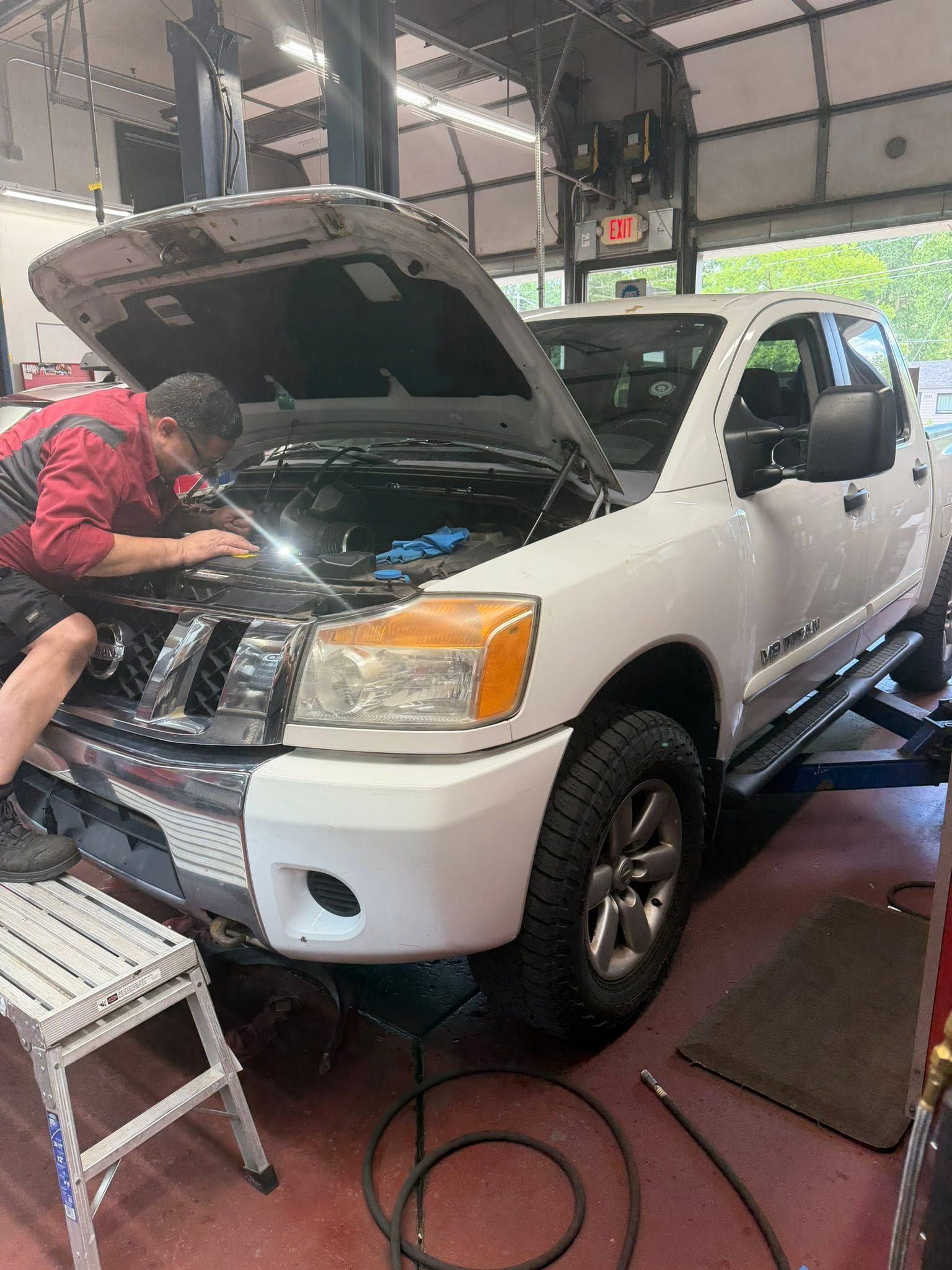
Accurately diagnosing a vehicle's electrical health requires using specialized testing equipment. Master auto technicians begin their diagnosis by using a digital multimeter to measure the battery's resting voltage. A fully charged, healthy automotive battery should read between 12.6 and 12.8 volts when the engine is turned off. If the multimeter shows a resting charge below 12.0 volts, the battery is severely discharged or contains a dead internal cell, requiring a deep bench charge and a structural load test.
Next, the technician starts the engine to measure the active charging system voltage. A healthy, operational alternator should consistently deliver between 13.5 and 14.5 volts to keep up with active electrical loads. If the running voltage drops below 13.0 volts, the alternator is undercharging, meaning it cannot maintain the battery or power the vehicle. Experienced auto technicians also check for hidden parasitic drains—where malfunctioning electronic components draw power overnight—to ensure a new battery won't be ruined by underlying wiring issues.
Proactive Maintenance for Electrical Health
Preventing sudden roadside breakdowns requires establishing a routine preventative maintenance schedule. Property owners should visually inspect their engine bays once a month to check the condition of the battery terminals. If heavy corrosion is present, it can block the flow of electricity, preventing the alternator from recharging the battery. Cleaning these connections with a wire brush and a mixture of baking soda and water restores proper electrical conductivity.
It is equally important to inspect the condition of the engine's drive belt. A worn, cracked, or loose serpentine belt will slip, preventing the alternator pulley from spinning at the correct speed to generate power. During scheduled oil changes, qualified auto technicians check belt tension and look for tiny hairline cracks along the belt ribs. Replacing a worn drive belt early protects the alternator from failure, optimizes electrical performance, and extends the operational life of your battery.
Navigating the dead battery deception requires a clear understanding of your vehicle's starting and charging systems. While a dead battery is often blamed for breakdown issues, a failing alternator is frequently the real culprit behind recurring electrical failures. Proactively testing your charging system with a multimeter, keeping terminals clean, and seeking professional diagnostics saves money and prevents unexpected breakdowns.
When your vehicle refuses to start, stalls unexpectedly in traffic, or exhibits strange electrical issues like flickering headlights and erratic dashboard screens, guessing the culprit can cost you both time and money. Rather than relying on guesswork or buying unnecessary parts, trust a team of certified auto technicians to accurately diagnose and safely repair the fault correctly the first time.
For fast, responsive roadside assistance, secure emergency vehicle transport, and comprehensive mechanical repairs you can trust, rely on the trained professionals at J & J Towing and Service Center. Don't wait until you are stranded on the side of the highway with a ruined charging system and a completely dead engine. Contact J & J Towing and Service Center today to schedule your comprehensive starting system evaluation and drive out on the open road with total confidence!