October 7, 2026
The path your vehicle takes following a roadside emergency can often be as puzzling as the incident itself. When a tow truck is summoned, the journey is far from over; rather, it's the beginning of a series of critical steps aimed at restoring your vehicle to its optimal condition. Understanding this journey provides invaluable insights into the complex processes that ensure your car returns to the road safely and smoothly.
Initiating the Towing Process
When a vehicle becomes stranded, contacting a professional towing company is the vital first step. This initial call sets in motion a seamless series of events designed to safely move your vehicle to a secure facility. During the conversation, providing precise details about your location and vehicle state allows dispatch teams to send the correct equipment without delay. Dependable operators offer 24/7 assistance to reach stranded drivers rapidly, reducing roadside exposure and minimizing risks. Clear communication at this early stage helps ensure a swift recovery and protects your car from further harm.
Upon arrival, a skilled operator evaluates the scenario to choose the safest handling method. They carefully check for potential hazards like leaking fluids or compromised electrical systems before attaching any equipment. Every drivetrain, whether all-wheel drive, front-wheel drive, or rear-wheel drive, demands specific procedures. A top-quality towing company utilizes properly trained professionals who tailor their approach to your specific vehicle model. Their thorough initial assessment guarantees that the automobile is secured and transported without causing additional mechanical or cosmetic damage.
Preparing the Vehicle for Transport
Before moving the vehicle onto the transport rig, detailed preparation takes place to safeguard every component. Operators secure loose auto parts, place the transmission in neutral, and release the parking brake safely. When dealing with damaged drive components or non-functional transmissions, specialized equipment such as wheel dollies or flatbeds are deployed. Proper preparation protects both the vehicle structure and surrounding highway traffic during transit. Professional operators take pride in executing these foundational steps with total care.
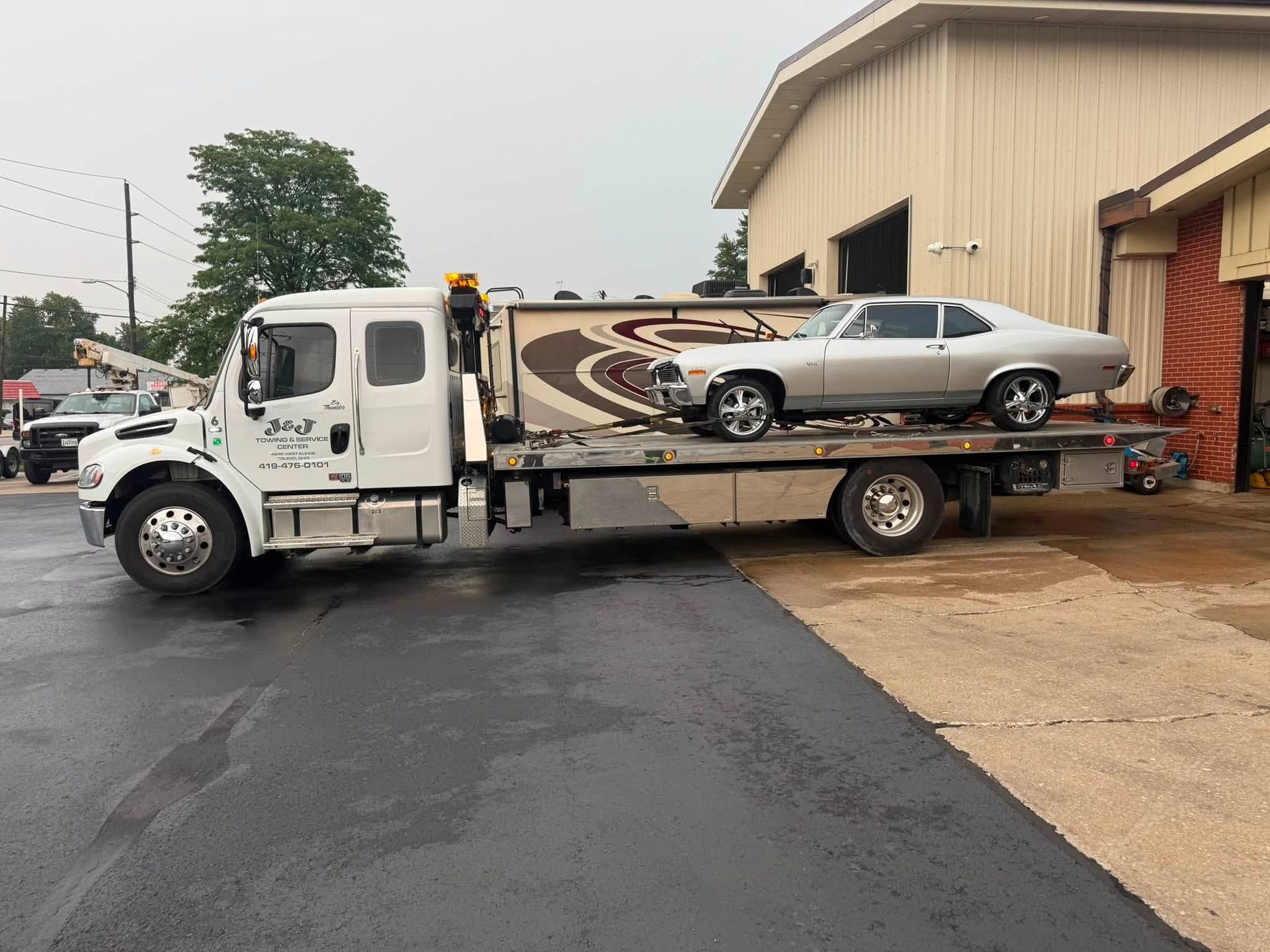
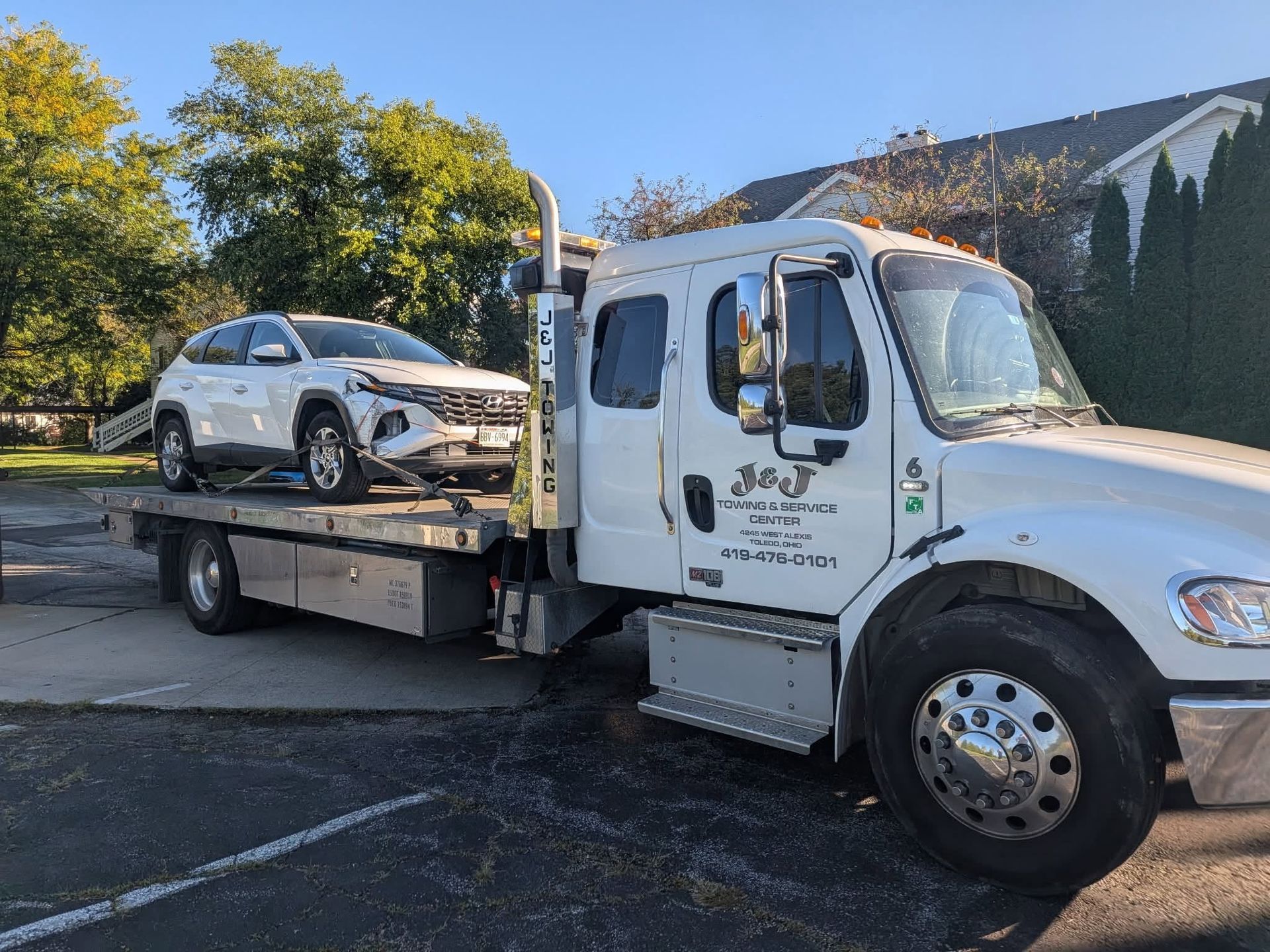
Loading the car onto the truck demands high technical skill and specialized tools, including heavy-duty winches and rated safety straps. Whether utilizing a flatbed setup, a wheel-lift system, or traditional towing gear, operators execute the procedure with total control. This is especially important for specialty vehicles or cars that have suffered substantial damage during an incident. Secure attachment ensures the vehicle remains stable across the entire journey. Reliability throughout this process gives drivers total confidence in the care their asset receives.
Managing Transport and Documentation
Once the car is securely loaded, accurate documentation is finalized to establish full operational accountability. The operator generates paperwork detailing the pickup parameters, terms of transit, and destination address. A formal receipt is given to the vehicle owner, serving as an official record of the transaction for insurance files or personal records. Trusted providers prioritize clear documentation to keep vehicle owners informed every step of the way. This professional standard ensures total clarity between the service team and the vehicle owner.
Selecting the appropriate destination depends on insurance preferences, the nature of repairs, or vehicle owner requests. Drivers may direct the operator to a preferred facility or ask for recommendations based on local repair capabilities. Selecting a dependable destination directly impacts repair timeliness and overall service quality. According to LookUpAPlate, typical vehicular transports in the United States span a distance of roughly 10 to 40 miles. Professional operators navigate these local distances smoothly to ensure your car reaches the intended repair center efficiently.
Navigating to the Destination
Transporting a vehicle through dense traffic or adverse weather conditions requires exceptional driving skills and route knowledge. Qualified operators evaluate traffic patterns to choose routes that deliver maximum safety and stability for the loaded vehicle. Their advanced training allows them to maneuver heavy equipment seamlessly through challenging road conditions. Careful navigation prevents transit delays and keeps the cargo fully protected throughout the journey. A local towing company leverages regional expertise to complete every trip smoothly and efficiently.
Maintaining active communication with the receiving facility throughout the trip ensures the repair team is prepared upon arrival. Operators provide updated arrival estimates and share key details about the vehicle's initial roadside condition. This active coordination allows auto repair technicians to allocate bay space, prepare specific tools, and streamline incoming workflows. By sharing accurate details in advance, the delivery process flows directly into diagnostic testing. Effective coordination between transport teams and service shops significantly reduces overall repair downtime.
Unloading and Initial Assessment
Arriving at the destination shop begins the careful process of unloading the vehicle. Technicians reverse the loading procedure, steadily lowering ramps and disconnecting restraint straps with complete care. Maintaining rigorous safety standards during unloading prevents secondary damage as the vehicle transitions to the service center. Once off the truck, the car moves directly into the diagnostic pipeline. This smooth handover marks a successful transition from emergency transport to professional shop restoration.
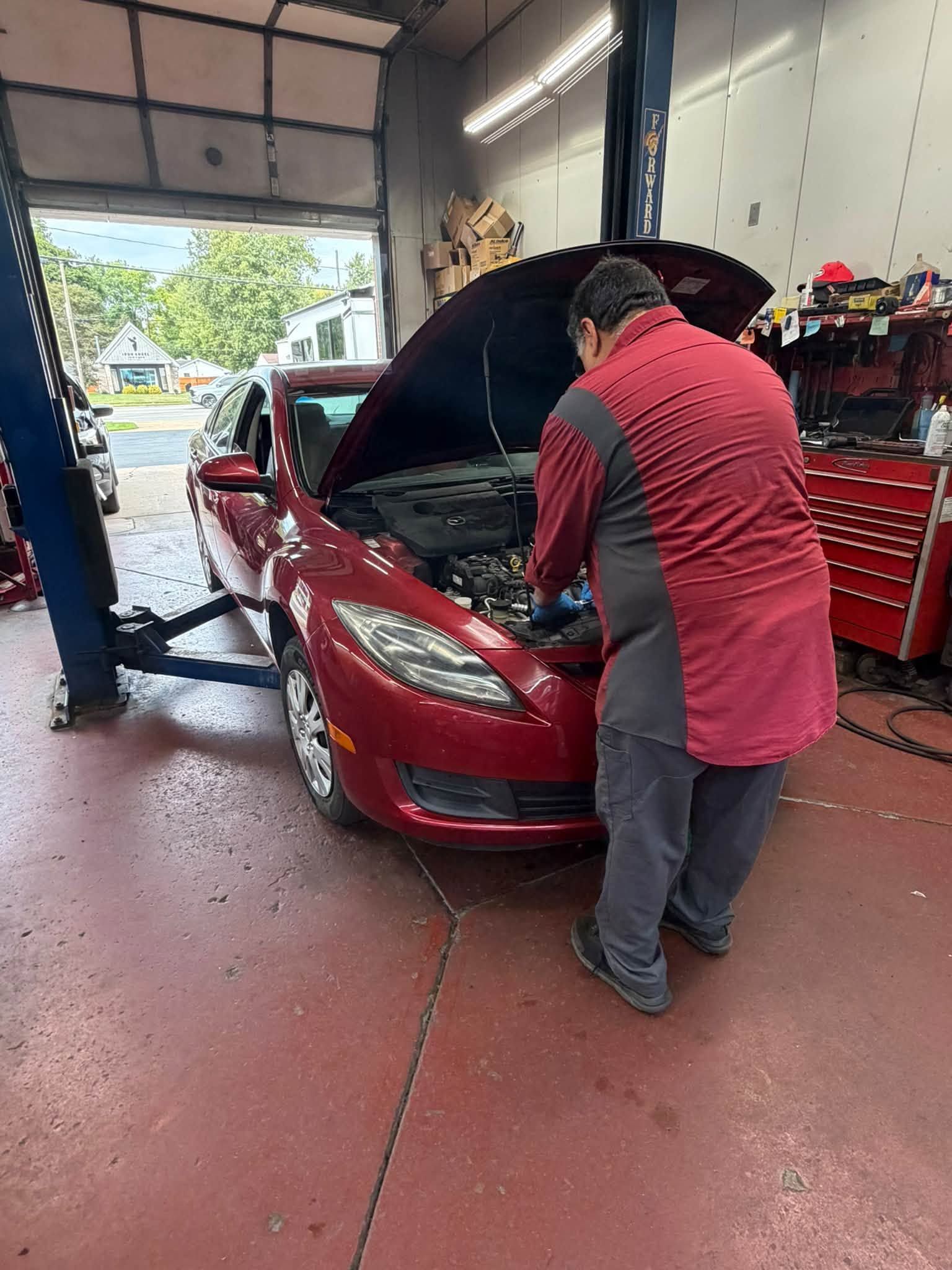
At the facility, certified technicians execute an extensive visual assessment of the vehicle. They check for external impacts, fluid leaks, structural misalignments, and undercarriage wear to build a clear overview of the required care. Preliminary checks help isolate obvious issues while pointing technicians toward potential hidden mechanical defects. These thorough initial observations create a baseline for targeted electronic diagnostics. Detailed assessments ensure that no underlying issue goes unnoticed during the recovery process.
Diagnostic Evaluation and Planning
Along with visual checks, technicians review complete service records to contextualize current mechanical symptoms. Past maintenance logs reveal previous system repairs, helping technicians detect recurring patterns or systemic faults. Combining historical data with current physical evidence leads to far more accurate technical decisions. Certified auto repair facilities rely on this holistic evaluation strategy to plan effective interventions. Thorough background reviews ensure every service recommendation is backed by complete mechanical context.
Identifying immediate safety risks remains the top priority during early shop evaluations. Technicians carefully examine critical safety structures, including braking systems, steering components, and restraint assemblies. Addressing vital safety elements first ensures that the vehicle will be entirely safe for road use upon return. Comprehensive safety evaluations protect drivers and passengers long after the vehicle leaves the shop bay. Dedicated service centers maintain an uncompromising commitment to vehicle safety across every repair phase.
Detailed Inspection and Diagnostics
Service professionals document every visible external scrape along with deeper mechanical or electrical internal faults. Advanced diagnostic tools allow technicians to scan onboard computer modules, engine electronics, and transmission controls with complete precision. Documenting both cosmetic and internal conditions creates an accurate basis for insurance claims and repair estimates. This detailed record-keeping ensures all necessary fixes are properly accounted for before work begins. Meticulous documentation practices ensure total clarity for vehicle owners throughout the service process.
After initial reviews are complete, technicians run specialized computer diagnostic routines to isolate root causes. These computerized systems analyze electronic sensors, exhaust outputs, and core mechanical functions to reveal hidden issues. Precise diagnostics eliminate guesswork, allowing technicians to target exact system failures efficiently. Working with accurate diagnostic data keeps repair timelines short and prevents unnecessary component replacements. A full-service facility backed by a reliable towing company offers seamless care from roadside recovery to advanced electronic diagnosis.
Transparent Estimating and Service Execution
With diagnostics complete, the service team generates a comprehensive repair estimate covering required components, labor hours, and total costs. Clear estimates give vehicle owners full insight into necessary procedures before any shop work begins. Providing clear pricing structures builds strong client confidence and ensures complete financial transparency. The detailed estimate acts as a mutual agreement, outlining every aspect of the repair journey clearly. Professional repair facilities prioritize accurate billing to maintain excellent client relationships. Clear communication with vehicle owners is essential prior to commencing physical repair work. Service advisors explain the diagnostic findings, clarify the necessity of each repair, and present available replacement options.
Once testing confirms flawless vehicle performance, detailed final documentation and itemized invoices are prepared. Service advisors walk owners through the completed repairs, offering helpful tips on preventative maintenance to extend vehicle lifespan. This clear educational approach ensures owners have total confidence in their vehicle's restored condition. Solicitations for customer feedback help facilities continuously refine their service standards and maintain client satisfaction. For dependable roadside transport and complete automotive repair, turn to J &J Towing and Service Center.