August 25, 2026
Navigating around active emergency response operations on major highways requires consistent attention and thorough awareness from every driver on the road today. When motorists understand how to share multi-lane corridors safely with massive service vehicles, overall highway safety improves dramatically for everyone involved. Heavy commercial vehicles that assist stranded drivers perform vital operations under extremely hazardous conditions every single day. Recognizing the operational requirements of these response teams allows traffic to move efficiently while maintaining a secure perimeter around active work zones.
Understanding the complex dynamic of highway traffic management involves recognizing how critical professional recovery units are during peak travel hours. High-speed lanes present constant risks for motorists who experience sudden mechanical failures or secondary road debris issues. Having reliable tow trucks stationed across major transportation routes ensures that unexpected blockages are cleared rapidly before major delays occur. Proper driver behavior around active work sites minimizes severe disruptions and protects emergency personnel as they perform necessary duties. When approaching any active scene, motorists must prepare to adjust speeds and modify lane choices well in advance to maintain safe highway conditions.
Operating Around Highway Safety Hazards
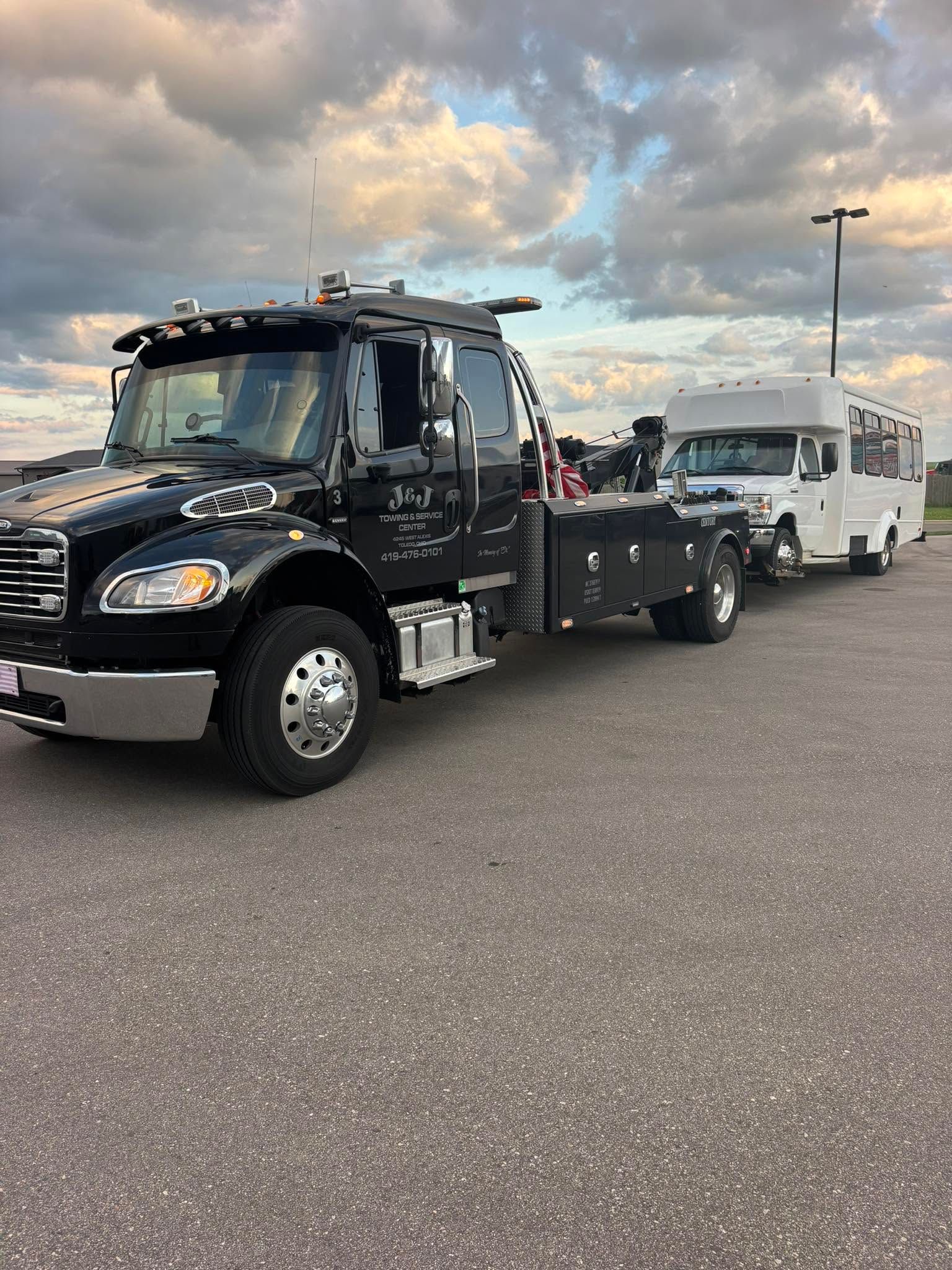
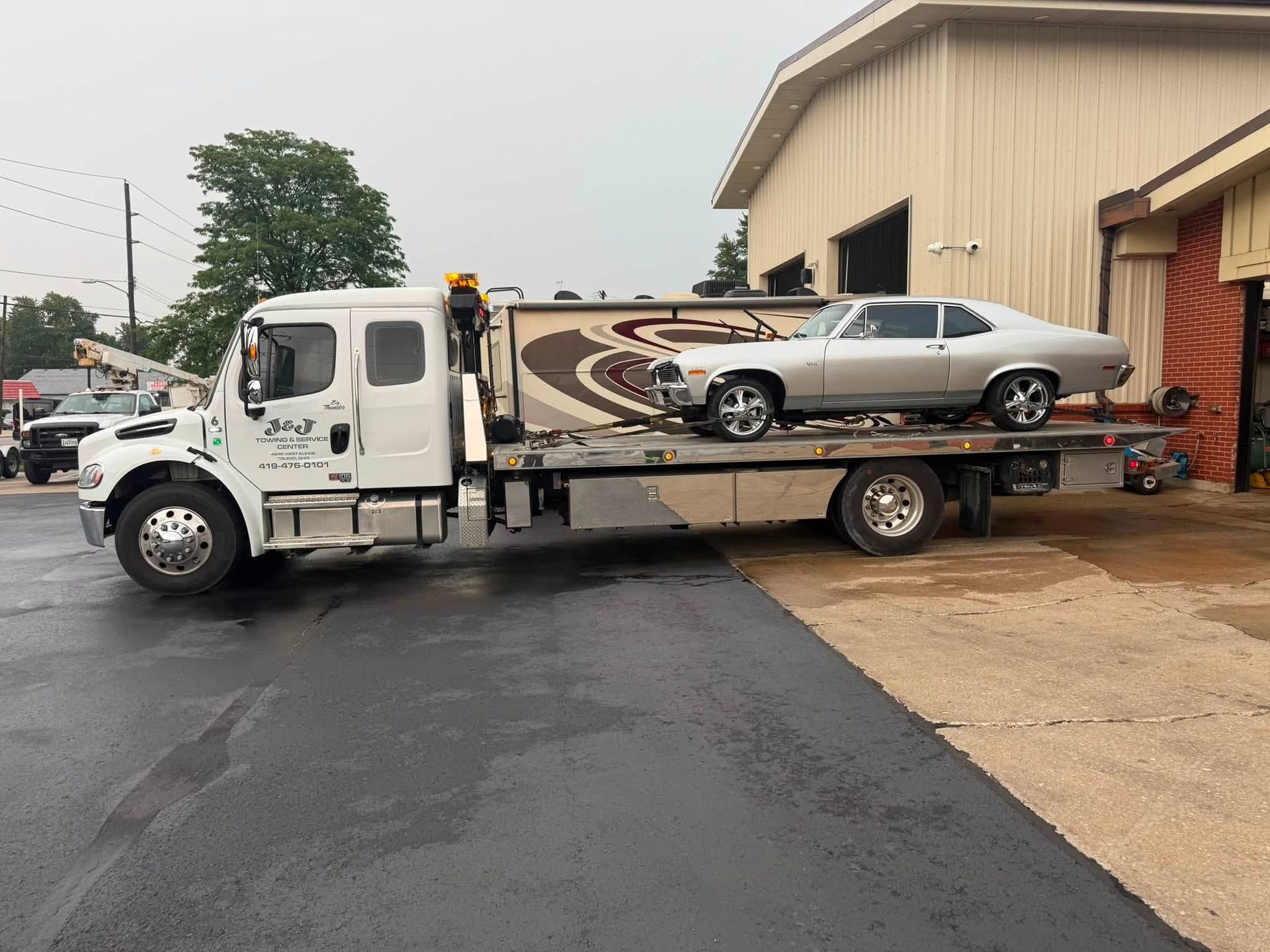
Emergency recovery specialists perform various essential functions on highways, ranging from removing disabled vehicles to providing comprehensive roadside assistance. They ensure that traffic congestion is minimized by quickly clearing dangerous obstructions from active travel lanes. Tow trucks are equipped to handle emergency situations that arise unexpectedly, ensuring swift responses that can potentially save lives. According to Car Insurance, vehicles older than 10 years are two times more likely to break down on the road. This statistic underscores the critical role tow trucks play in ensuring older vehicles, which are more prone to breakdowns, are promptly attended to.
Without the frequent and reliable presence of commercial assistance vehicles, broken-down automobiles could lead to massive traffic backups and an increased risk of severe collisions. Their ability to quickly remove stranded cars means other drivers face far less risk of accidents caused by sudden stops or swerving to avoid stationary objects. These operations enhance overall road safety by providing essential aid to motorists facing unexpected mechanical difficulties along remote or crowded highway stretches. The specialized equipment carried on recovery vehicles ensures that complex transport problems can be diagnosed and resolved efficiently, improving overall traffic movement and reducing stress for everyone sharing the public roadways.
Managing Unexpected Breakdown Scenarios
Common scenarios involving professional roadside operations include handling unexpected mechanical breakdowns, managing multi-vehicle accidents, and assisting stranded motorists who are stopped along dangerous shoulders. Each of these roadside situations requires a unique and careful approach from both recovery specialists and everyday drivers traveling along high-speed corridors. With the steady increase in older vehicles operating on public roads, unexpected breakdowns occur regularly, creating a continuous need for immediate professional intervention. Passing drivers must adjust their habits, maintain extra distance, and remain fully aware of their surroundings whenever active recovery operations are taking place nearby.
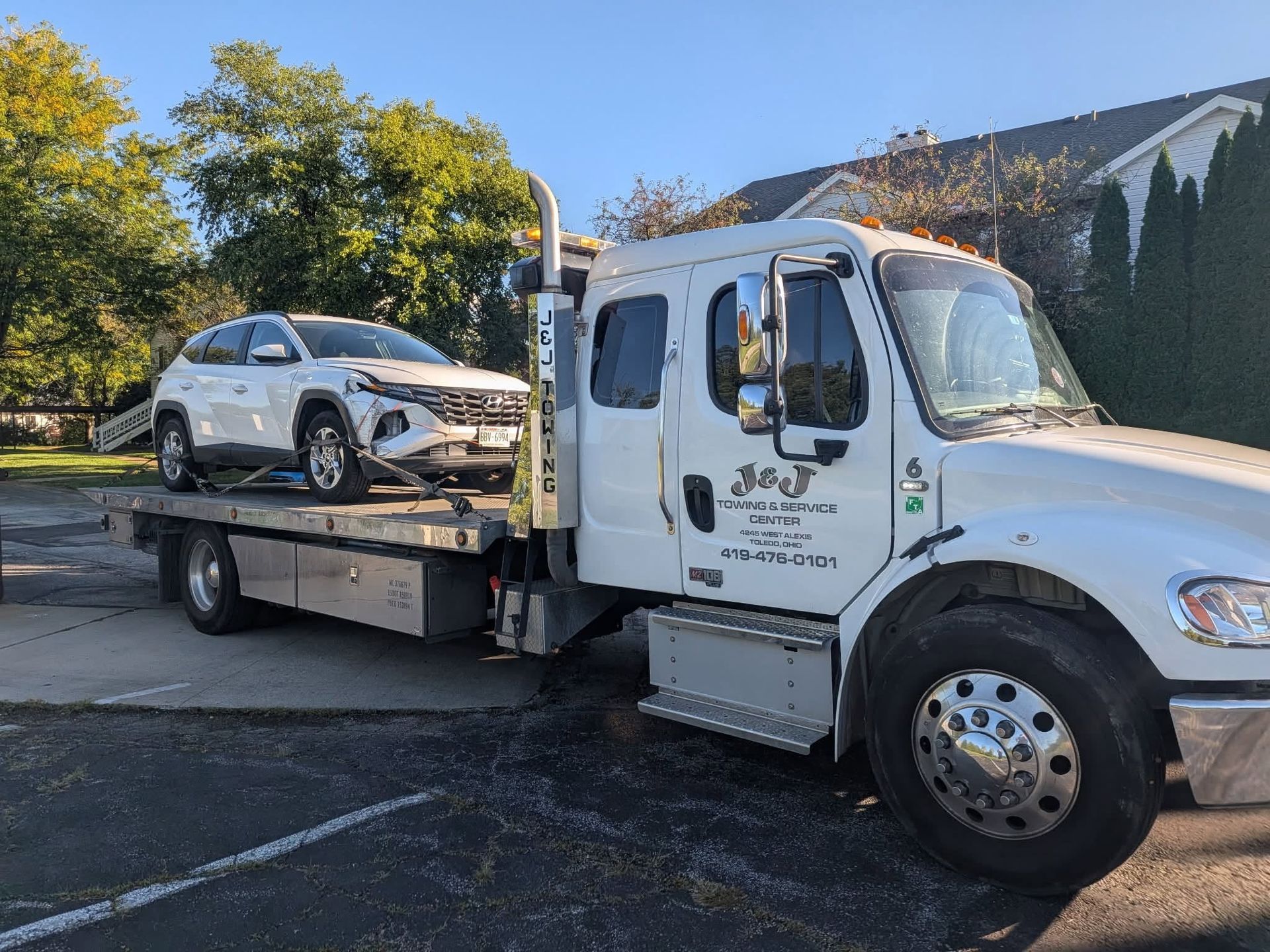
Traffic accidents present particularly dangerous situations where immediate professional clearance is needed to restore normal traffic flow and prevent secondary collisions. Rapid intervention by trained operators at collision scenes prevents additional accidents from occurring due to blocked travel lanes or distracted rubbernecking. Recovery specialists work closely with state troopers and local law enforcement to manage the perimeter, assess secondary risks, and direct passing vehicles around hazards safely. In many instances, response personnel deploy high-visibility warning devices, reflective markers, and specialized lighting arrays to establish clear visual boundaries that keep approaching traffic safely separated from the active work area.
Identifying Crucial Signal Patterns
Understanding the various warning lights on emergency recovery vehicles is essential for maintaining safety when sharing busy multi-lane highways. Bright flashing lights, which are typically amber, red, or blue, signal that active vehicle recovery or clearance work is currently taking place along the roadway. These warning lights serve as an immediate signal for approaching drivers to slow down, exercise extreme caution, and change lanes whenever space permits. Regulatory guidelines govern when these light systems may be activated, ensuring that motorists receive accurate visual cues whenever an active hazard exists along their driving path.
The presence of high-intensity revolving lights usually indicates that specialized machinery is maneuvering in a high-risk area or securing a disabled automobile. These powerful illumination systems are especially vital during poor weather conditions such as heavy fog, torrential rain, or intense snowfall, where visibility drops significantly. Seeing bright beacons from a distance affords approaching drivers adequate time to decrease their speed and make safe adjustments. Paying close attention to these visual warnings prevents dangerous close calls and allows emergency personnel to complete critical recovery tasks without facing unnecessary hazards from passing traffic.
Executing Proper Lane Adjustments
Maintaining an extended following distance when driving behind active tow trucks is a critical safety habit that prevents dangerous rear-end collisions. Allowing plenty of physical space between your car and heavy machinery provides the necessary time and distance to react if traffic stops suddenly. Specialized recovery rigs often need to make unexpected maneuvers, sudden stops, or wide turns while hauling heavy loads or preparing to access a shoulder. Giving these large vehicles a wide margin minimizes risks for everyone, especially when traveling at high speeds on crowded interstate highways.
When driving in adverse weather conditions or low-light environments, expanding your spacing becomes even more important for personal safety. Rain, ice, fog, and darkness significantly increase vehicle stopping distances while reducing overall reaction time for all motorists. Keeping a generous distance compensates for the sizable blind spots that surround large commercial vehicles and their attached cargo. Proper spatial awareness gives recovery operators the required room to maneuver safely, reposition their equipment, and load disabled automobiles without facing tight interference from passing traffic. Responsible space management remains one of the simplest ways drivers can support highway safety.
Following Regulations and Traffic Laws
The legal framework surrounding commercial recovery operations is carefully designed to protect highway workers and the motoring public. Strict regulations govern how recovery operators conduct business on public highways, including compliance with speed boundaries, proper lighting protocols, and secure cargo tie-down procedures. Furthermore, service operators must maintain proper certifications, valid commercial licenses, and rigorous vehicle inspection standards. These combined legal requirements establish high operational standards, ensuring that roadway clearance tasks are conducted responsibly and safely across all jurisdictions.
State move-over laws represent a vital component of highway safety legislation, requiring drivers to move over at least one full lane when approaching active emergency vehicles on the shoulder. If changing lanes is impossible due to heavy traffic or dangerous road conditions, drivers are legally mandated to reduce their speed significantly below the posted limit. Violating move-over regulations results in steep financial penalties, points on driving records, and potential legal consequences. Consistent enforcement of these crucial safety laws protects roadside technicians while encouraging passing motorists to cultivate responsible habits near active work zones.
Securing Safe Travel Routes
Sharing the highway safely with active recovery equipment requires consistent vigilance, proper spacing, and full compliance with traffic laws. When everyday motorists take the time to respect warning lights, reduce travel speeds, and give active operations adequate physical space, overall roadway security improves for everyone. Professional operators work in challenging, high-risk environments every day to clear dangerous obstructions and keep traffic moving smoothly. Practicing defensive driving habits ensures that these dedicated professionals can complete their vital work safely and return home without incident after every shift.
Every individual behind the wheel shares a personal responsibility to foster a cautious and cooperative driving environment on public roads. By anticipating potential hazards, watching for active signal patterns, and executing prompt lane changes, motorists help prevent serious accidents along busy transit corridors. For reliable, prompt, and professional vehicle transport or roadside assistance whenever unexpected mechanical issues arise, turn to the experienced team at J & J Towing and Service Center for dependable service. Fully equipped
tow trucks remain ready around the clock to handle challenging roadside emergencies, delivering prompt solutions that keep drivers safe and secure across every journey.